- Weight Loss
-
by Skippack Pharmacy
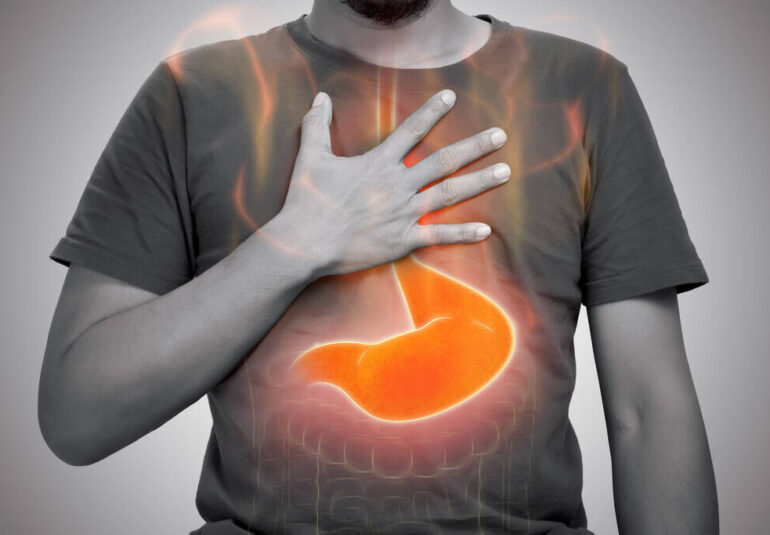
It started on a Tuesday morning. A patient walked into the clinic, excited about the 15 pounds they’d lost in two months on their new GLP-1 medication. But their enthusiasm was tempered by something else—a persistent queasiness that made breakfast feel impossible and turned the thought of their favorite foods into a challenge. “Is this normal?” they asked. “And more importantly, will it ever go away?”
If you’re taking a GLP-1 medication like Ozempic, Wegovy, Mounjaro, or Zepbound, you’re not alone in experiencing nausea. It’s one of the most common side effects of these powerful medications, but the good news is that it’s usually manageable—and temporary.
Understanding Why GLP-1 Medications Cause Nausea
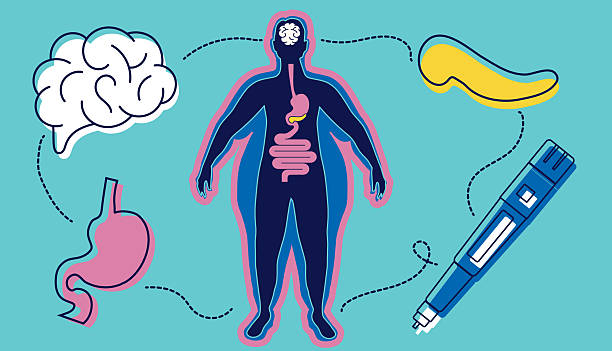
GLP-1 receptor agonists work by mimicking a natural hormone in your body that helps regulate blood sugar and appetite. While these medications are highly effective for diabetes management and weight loss, they can cause gastrointestinal side effects. Nausea affects between 25% and 44% of people taking these medications, making it the most common side effect.
The nausea happens for several reasons. These medications slow down how quickly your stomach empties, which can lead to feelings of fullness, bloating, and nausea. They also activate certain areas in your brain that control appetite and nausea. The good news? Higher doses are more likely to cause these symptoms, which is why starting low and going slow is so important.
When Does Nausea Typically Occur?
Most people experience nausea within the first 48 hours after starting the medication or after each dose increase. The symptoms are typically mild to moderate and tend to decrease in frequency and severity once you’ve been on a stable dose for a while. Many people find that nausea is most bothersome in the morning or after going long periods without eating.
In clinical trials, side effects tended to occur within the first weeks of starting therapy and with dose escalation, but they generally improved with time on a stable dose. While nausea can be uncomfortable, fewer than 10% of people in clinical trials stopped their medication because of gastrointestinal issues.
Practical Strategies to Manage Nausea
Start Low, Go Slow
The single most important strategy is gradual dose escalation. Your healthcare provider should start you at the lowest available dose and increase it slowly over time. In clinical trials, patients were sometimes allowed to stay at a lower dose for up to 8 weeks if needed to let side effects settle down. Don’t rush to the highest dose—a sustainable and effective dose is better than the maximum dose if it means you can stick with the treatment.
Adjust Your Eating Habits
Small changes in how and what you eat can make a big difference:
- Eat smaller, more frequent meals throughout the day (every 3-4 hours)
- Start with a small breakfast, even if you feel nauseous—not eating can actually make nausea worse
- Eat slowly and stop when you feel full
- Avoid high-fat and high-fiber foods during the first few days after starting or increasing your dose
- Limit alcohol and carbonated beverages
- Stay well-hydrated throughout the day
Natural Remedies
Some people find relief with:
- Ginger or peppermint tea
- Acupressure bands
- Eating bland, easy-to-digest foods when nausea strikes
When to Consider Medication
If dietary changes aren’t enough, talk to your healthcare provider about anti-nausea medications. Short-term use of medications like prochlorperazine or ondansetron can provide relief while your body adjusts to the medication or during dose increases. Your provider can help you choose the right option based on your other symptoms.
Breaking the Nausea Cycle
One common trap people fall into is not eating because of nausea, which then makes the nausea worse, which further reduces the desire to eat. If you find yourself in this cycle, try eating a small breakfast and then additional small meals every 3-4 hours while drinking plenty of fluids. This can help break the pattern.
Understanding Satiety vs. Nausea
It’s important to distinguish between nausea (a negative sensation) and satiety (a positive feeling of fullness that supports weight loss). GLP-1 medications are designed to help you feel satisfied with less food. Learning to recognize the difference can help you work with the medication rather than against it. Practice mindful eating: eat slowly, stop when you’re full, and don’t eat when you’re not hungry.
When to Contact Your Healthcare Provider
While nausea is common and usually manageable, you should contact your healthcare provider if:
- Nausea is severe or persistent
- You’re vomiting frequently
- You’re unable to keep down fluids (risk of dehydration)
- You’re considering stopping your medication
- Symptoms aren’t improving with the strategies above
Severe vomiting or diarrhea can lead to dehydration, which can cause serious complications including acute kidney injury and heart palpitations. Don’t hesitate to reach out for help.
The Bottom Line
Nausea from GLP-1 medications is common, but it doesn’t have to derail your treatment. With the right strategies—gradual dose escalation, dietary modifications, adequate hydration, and when needed, anti-nausea medications—most people can successfully manage this side effect and continue benefiting from these powerful medications.
Remember that patient in the clinic? After implementing some of these strategies—eating smaller, more frequent meals, avoiding high-fat foods, and using a short course of anti-nausea medication during dose increases—they found their nausea became much more manageable. They continued their treatment, reached their weight loss goals, and learned to work with their medication rather than struggle against it.
Your journey with GLP-1 medications is unique to you. Work closely with your healthcare team to find the approach that works best for your body and your lifestyle. The temporary discomfort of nausea is often outweighed by the significant health benefits these medications can provide—but you don’t have to suffer through it alone.
By Dr. Efrain Santiago PharmD, MBA
DISCLAIMER: This blog is for informational and educational purposes only and is not intended as medical advice. Always consult with your healthcare provider before starting, stopping, or changing any medication or treatment plan. Individual experiences with medications may vary.
References:
- FDA Orange Book. FDA Orange Book. 2026.
- Gastrointestinal Adverse Events Associated With GLP-1 RA in Non-Diabetic Patients With Overweight or Obesity: A Systematic Review and Network Meta-Analysis. International Journal of Obesity. 2025. Ismaiel A, Scarlata GGM, Boitos I, et al.
- 2020 Expert Consensus Decision Pathway on Novel Therapies for Cardiovascular Risk Reduction in Patients With Type 2 Diabetes: A Report of the American College of Cardiology Solution Set Oversight Committee. Journal of the American College of Cardiology. 2020. Das SR, Everett BM, Birtcher KK, et al.
- Association Between Different GLP-1 Receptor Agonists and Gastrointestinal Adverse Reactions: A Real-World Disproportionality Study Based on FDA Adverse Event Reporting System Database. Frontiers in Endocrinology. 2022. Liu L, Chen J, Wang L, Chen C, Chen L.
- Nutritional Priorities to Support GLP-1 Therapy for Obesity: A Joint Advisory From the American College of Lifestyle Medicine, the American Society for Nutrition, the Obesity Medicine Association, and the Obesity Society. The American Journal of Clinical Nutrition. 2025. Mozaffarian D, Agarwal M, Aggarwal M, et al.
- Managing Adverse Effects of Incretin-Based Medications for Obesity. The Journal of the American Medical Association. 2025. Kushner RF, Almandoz JP, Rubino DM.
- Management of Hyperglycemia in Type 2 Diabetes, 2022. A Consensus Report by the American Diabetes Association (ADA) and the European Association for the Study of Diabetes (EASD). Diabetes Care. 2022. Davies MJ, Aroda VR, Collins BS, et al.
- Clinical Recommendations to Manage Gastrointestinal Adverse Events in Patients Treated With GLP-1 Receptor Agonists: A Multidisciplinary Expert Consensus. Journal of Clinical Medicine. 2022. Gorgojo-Martínez JJ, Mezquita-Raya P, Carretero-Gómez J, et al.