Learn, Explore, and Stay Informed with the Skippack Pharmacy Blog
Our blog is where healthcare education meets real-life patient care.
From weight loss support, GLP-1 tips, vitamins, vaccines, ADHD medication guidance, testing, pet medications, wellness, mental health, women’s health, men’s health, ophthalmics, and everyday pharmacy education, our blog is designed to make health information easy to understand and useful in real life.
What makes this section even more special is that many of our blog articles are researched and written by the pharmacy students training at Skippack Pharmacy, allowing them to turn what they learn in the classroom into real-world patient education that helps our community every day.
How to Explore the Blog
- Click “Read More” on the Blog section icon to view the full blog library. Browse through categories like:
- Wellness
- Weight Loss
- Vaccines
- Men’s Health
- Women’s Health
- Mental Health
- Pet/Vet
- Pharmacy News
- Vitamins
Blog Posts
Facebook Posts
LinkedIn Posts
YouTube Page
Patient Love
Want to keep scrolling? All blog posts are also featured right here on the homepage. Just scroll down and click “Load More” to explore the full collection. Whether you’re looking for quick health tips, pharmacy updates, seasonal wellness guidance, or student-driven educational content, our blog is built to help you and your family stay informed. Check back every now and then for updates!
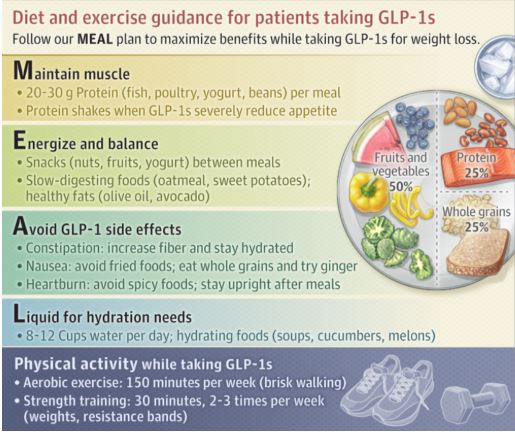
Low Appetite on GLP-1
Low Appetite on Weight Loss Medications: Every Bite Matters Why am I Not Hungry on a GLP-1? If you’ve started a GLP-1 medication and suddenly realize it’s 3 PM and you still haven’t felt hungry, you’re not alone. One of the most common things patients notice is a dramatic drop in appetite, and while that’s part of how the medication works, it also means every bite matters. GLP-1 medications mimic a natural hormone made in the body that helps regulate appetite, blood sugar, and digestion, so when taking extra in the form of a compounded GLP-1, you will notice that you may feel fuller for longer than you are used to and do not want to eat as much. This is part of how the medication works to help you lose weight. By consuming fewer calories, the body begins using stored energy, primarily fat stores, for weight loss. This is […]

Diabetes Self-management Education and Support
Why Diabetes Support Shouldn’t Stop at Doctor Visits How Skippack Pharmacy’s DSMES Program Helps Patients Feel More Confident Every Day Managing diabetes can feel overwhelming, especially when questions come up between doctor appointments. Blood sugars don’t wait for your next office visit, and real-life challenges (medication changes, side effects, food choices, travel, sick days, or confusing CGM trends) often happen in the moment. That’s exactly where Diabetes Self-Management Education and Support (DSMES) can make a meaningful difference. At Skippack Pharmacy, our DSMES program is designed to help patients feel more confident managing diabetes through personalized pharmacist-led coaching, medication support, blood sugar monitoring guidance, healthy lifestyle education, and progress tracking between doctor visits. What Is DSMES? DSMES stands for Diabetes Self-Management Education and Support. It’s a structured, evidence-based program that helps people with diabetes better understand their condition and build the daily skills needed to stay healthy. This includes support with: […]
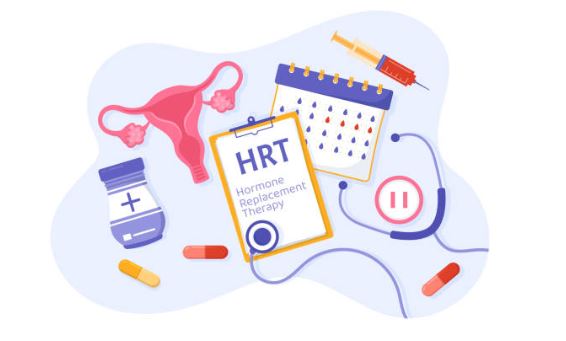
Hormonal Medication Shortages
Hormonal Medication Shortages: Having Trouble Finding Estradiol Patches or Progesterone? If you have been calling around trying to find estradiol patches, progesterone capsules, or other hormone medications, you are not alone. We have been hearing from more and more patients dealing with the same issue, and we know how frustrating it can be to spend time calling different pharmacies just trying to find your medication. Right now, some hormonal medications have been harder to find depending on the product, strength, and manufacturer. The American Society of Health-System Pharmacists (ASHP) currently lists shortages affecting some estradiol transdermal systems and progesterone capsules. Why is this happening? Drug shortages can happen for a few different reasons. Sometimes demand increases faster than supply. In other cases, manufacturers may be dealing with production, supply, or distribution issues. For estradiol patches, ASHP notes that at least one manufacturer has reported increased demand as a reason for […]

The Power of Showing Up, Even on Low-Motivation Days
How to keep going even when progress feels hard. How many times have you wanted to make a healthy change, whether it’s eating better, moving more, or building a new routine, but no matter how excited you feel at first, nothing seems to stick? If that sounds familiar, you’re not alone. Motivation can feel strong one day and disappear the next. The truth is, staying motivated is often one of the hardest parts of improving your health. The good news? Motivation doesn’t have to come first. Sometimes, action creates motivation, not the other way around. Here are a few simple ways to help yourself get started and keep going, even on the days you don’t feel like it. Start with realistic goals One of the biggest reasons people lose motivation is because they set goals that are too big, too fast. It’s easy to imagine dramatic changes: working out every […]
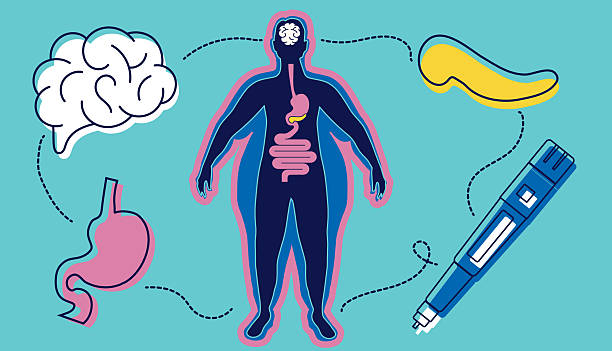
GLP-1 Causing Nausea: Navigating Side Effects and Treatment
It started on a Tuesday morning. A patient walked into the clinic, excited about the 15 pounds they’d lost in two months on their new GLP-1 medication. But their enthusiasm was tempered by something else—a persistent queasiness that made breakfast feel impossible and turned the thought of their favorite foods into a challenge. “Is this normal?” they asked. “And more importantly, will it ever go away?” If you’re taking a GLP-1 medication like Ozempic, Wegovy, Mounjaro, or Zepbound, you’re not alone in experiencing nausea. It’s one of the most common side effects of these powerful medications, but the good news is that it’s usually manageable—and temporary. Understanding Why GLP-1 Medications Cause Nausea GLP-1 receptor agonists work by mimicking a natural hormone in your body that helps regulate blood sugar and appetite. While these medications are highly effective for diabetes management and weight loss, they can cause gastrointestinal side effects. Nausea […]

Creating a Diet Plan: Step by Step Guide
Imagine this, You’re 35 years old. You’ve been hovering in the “slightly overweight” category your entire life. Not enough for people to say something, but enough for you to always notice. You’ve heard phrases like: “It runs in your family, there’s not much you can do.” or, “It’s probably just your metabolism.” and for a while, you believed that. However, now that you are starting to approach your 40’s, you may start to have symptoms like: feeling tired quicker than you’re used to, sleep problems, and joint discomfort. Many individuals have tried dieting methods like cutting carbs or skipping meals, but it never seems to stick. This is not because you didn’t care, but because you never had a plan or a sustainable system. Then, one day it clicks. You stop saying, “I’ve tried, but it never works.” and start asking, “What kind of diet plan would work for me?”. […]
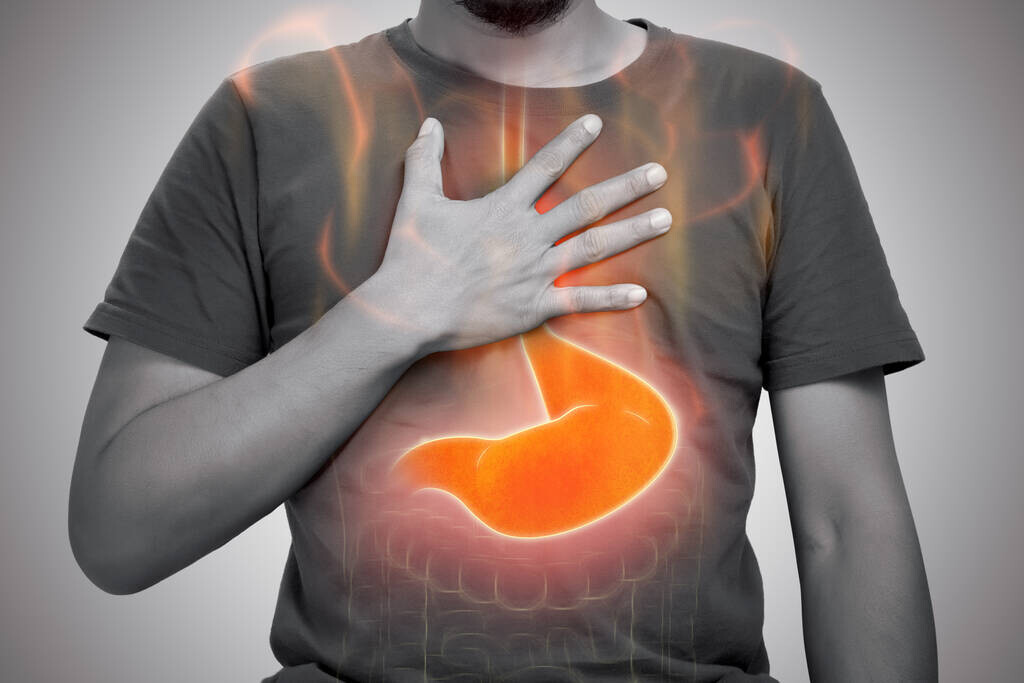
Managing Heartburn and Indigestion on GLP-1 Medications: Comfort Tips That Work
A Common Journey One patient was thrilled when their doctor prescribed a GLP-1 medication to help manage type 2 diabetes and support weight loss goals. The first few weeks went smoothly, but after the second dose increase, something new started—a burning sensation in the chest that seemed to worsen after meals. At first, it seemed like just stress, but the discomfort became more frequent, especially when lying down at night. The heartburn was affecting sleep and making mealtimes dreaded. There was concern about having to stop the medication that was finally helping reach health goals. But after talking with the healthcare team and making some simple lifestyle changes, the patient learned how to manage the reflux symptoms effectively. Within two weeks, sleep improved and meals became enjoyable again—all while continuing GLP-1 therapy. Here’s what made the difference. Why GLP-1 Medications Can Cause Heartburn GLP-1 medications work partly by slowing down […]

What Happens When You Stop Taking GLP-1’s? What to Expect
What Happens When You Stop Taking GLP-1’s? What to Expect When GLP-1 medications are stopped, hunger and appetite often return—and weight regain can happen without a plan. Building sustainable habits before stopping helps protect your progress. GLP-1 medications can be powerful tools for weight loss and metabolic health—but many people wonder what happens if or when they stop. This matters whether you’re pausing treatment, stopping due to side effects or cost, or planning long-term success. This is common: many patients experience increased hunger after stopping, and it’s not a personal failure—it’s biology. GLP-1 medications work by slowing stomach emptying, increasing fullness, and reducing appetite signals. When the medication is stopped, those effects gradually wear off. Why this matters: Hunger hormones may increase again Portion sizes may naturally creep up Weight regain is possible without supportive habits Energy levels and blood sugar patterns may shift Understanding this ahead of time helps […]

Foods to Avoid While Taking GLP-1 Medications: A Guide to Reducing Side Effects
Patient Story A patient had been struggling with her weight for years when her doctor prescribed a GLP-1 medication. She was excited about the potential benefits, but within days of her first dose, she experienced waves of nausea that made eating feel impossible. After skipping breakfast one morning, the nausea only got worse. She felt trapped in a cycle, too nauseous to eat, but the nausea worsened when she didn’t eat. After consulting with her healthcare team, the patient learned that what she ate, and how she ate, could make all the difference. By making simple changes to her diet, she was able to continue her medication successfully and achieve her health goals. Here’s what she learned, and what you should know too. Understanding GLP-1 Side Effects GLP-1 medications work by slowing down how quickly food leaves your stomach and by affecting areas of your brain that control appetite and […]
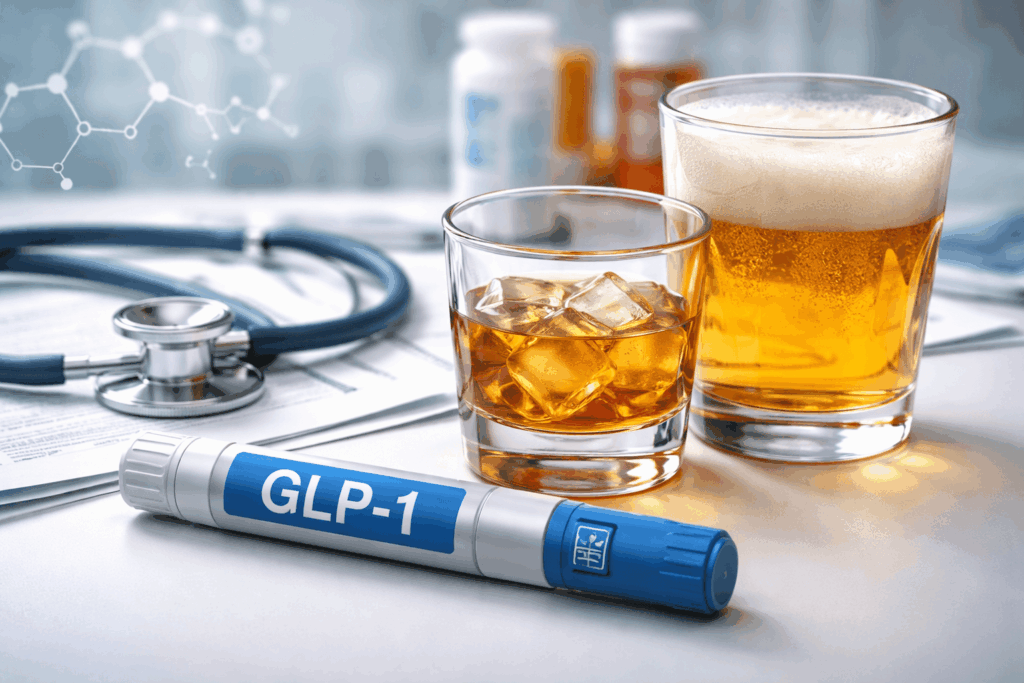
Alcohol and GLP-1 Medications: What You Need to Know
A Familiar Story A patient had been taking semaglutide for three months to help manage her weight and diabetes. She’d been thrilled with the results, down 20 pounds and her blood sugar finally under control. But last weekend at her daughter’s wedding, something unexpected happened. After just one glass of champagne during the toast, she felt unusually lightheaded and nauseous. By the time dinner was served, she had no appetite and felt uncomfortably full. She wondered: could her medication be affecting how her body handles alcohol? If you’re taking a GLP-1 medication like Ozempic, Wegovy, Mounjaro, or Zepbound, you might have similar questions about alcohol. The relationship between these medications and alcohol is more complex than you might think, with both surprising benefits and important cautions to consider. What Are GLP-1 Medications? GLP-1 receptor agonists are medications originally developed for type 2 diabetes and now widely used for weight management. […]
Custom Dose vials
Custom-dose vials let prescribers personalize GLP-1 dosing (including smaller, stepwise adjustments) so patients can follow a plan that fits their goals and tolerability—always follow your prescriber’s directions and use safe measuring technique GLP-1 medications can be life-changing, but not everyone tolerates dose changes the same way. Custom-dose vials are designed to support more personalized dosing so patients and prescribers can fine-tune therapy (including slower titration when appropriate). This is common: many people need small adjustments, extra time at a dose, or more coaching on measuring and administration to feel their best and stay consistent. What it is Custom-dose vials are multi-dose vials prepared/dispensed to allow dosing flexibility based on a prescriber’s instructions (for example: gradual titration or micro-adjustments). They’re typically paired with clear instructions and a measured dosing device so you can draw up the prescribed amount accurately. Why it matters Personalized titration: Some patients do better with […]
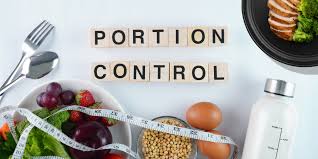
Portion Awareness Without Counting
You don’t need to count every calorie to make progress. Most people think portion control means measuring everything, tracking everything, and constantly doing math. It doesn’t. Sometimes, the biggest shift comes from simply becoming aware of how much you’re eating—without restriction, guilt, or obsessing over numbers. Because the truth is… Most of us aren’t overeating on purpose. We’re just eating on autopilot. When people start focusing on their health, one of the first things they’re told is to “track everything.” Track calories. Track macros. Track portions. And while that can work for some people, it’s not always realistic—or sustainable—for everyone. That’s where portion awareness comes in. What is portion awareness? Portion awareness is simply being more mindful of how much food you’re eating—without needing to measure, weigh, or track every bite. It’s not about restriction. It’s about recognition. Instead of asking: “How many calories is this?” You start asking: […]

Fiber on GLP-1s: A Gentle Guide
On GLP-1s, fiber + fluids can make a huge difference for constipation and comfort—start low, go slow, and aim for mostly food-based fiber before jumping to supplements. GLP-1 medications (like semaglutide or tirzepatide) are amazing tools, but they commonly slow digestion—which can lead to constipation, bloating, or “stuck” feelings. This matters because when your gut feels better, it’s easier to stay consistent with nutrition, hydration, and your medication plan. This is common—especially when starting or increasing your dose. What it is Fiber is the part of plant foods your body can’t fully digest. It helps stool move through the gut and supports regularity. Soluble fiber (oats, chia, beans, psyllium) forms a gel and can be gentler for many people. Insoluble fiber (wheat bran, some veggie skins) adds bulk and can help, but may worsen gas if you ramp up fast. Why it matters (especially on GLP-1s) GLP-1s commonly […]
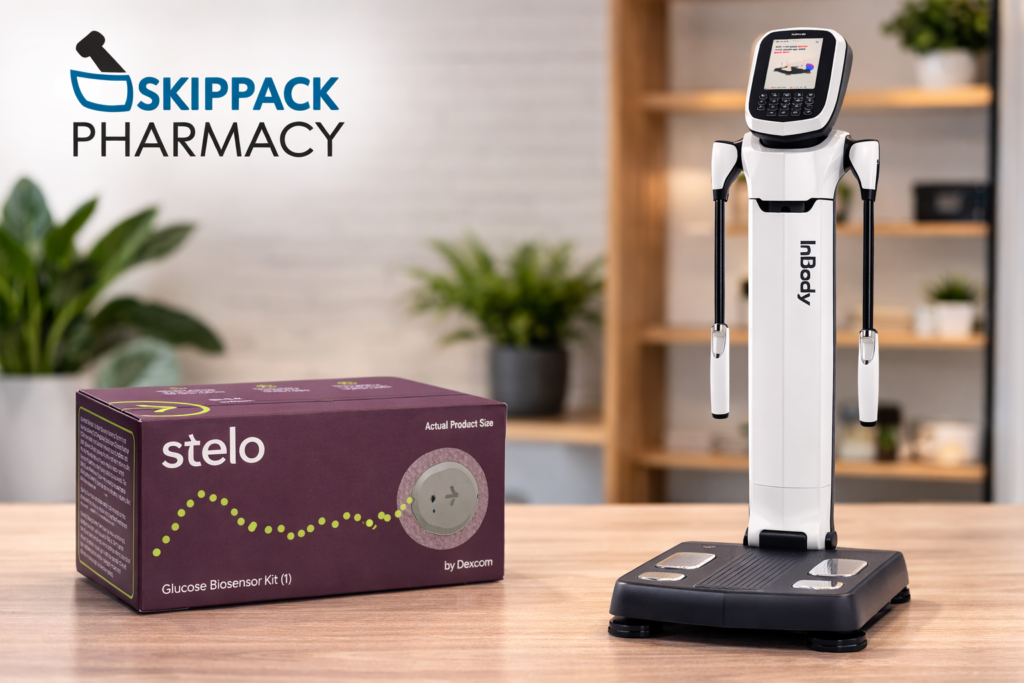
Skippack Metabolic Health Program: Clearer Health Insights With Stelo and InBody Scans
A moment when “health” turns into an urgent question Imagine the scene. You’re a working single parent, exhausted after a long shift and ready to head home. You’re mentally planning dinner, thinking you’ll “try to be healthier,” when you realize you don’t actually know what foods make you feel energized… and which ones leave you foggy and hungry an hour later. As you’re pulling up your notes app to plan “better meals,” your phone lights up with a headline: the U.S. The Food and Drug Administration has cleared the first over-the-counter continuous glucose monitor; meaning some people can now purchase glucose-tracking technology without a prescription. If you’ve ever been told to “watch your sugar,” “cut carbs,” or “focus on metabolic health,” you already know the frustrating part: advice is easy to hear, but hard to personalize. A single lab value can feel abstract. And a bathroom scale can’t tell you […]
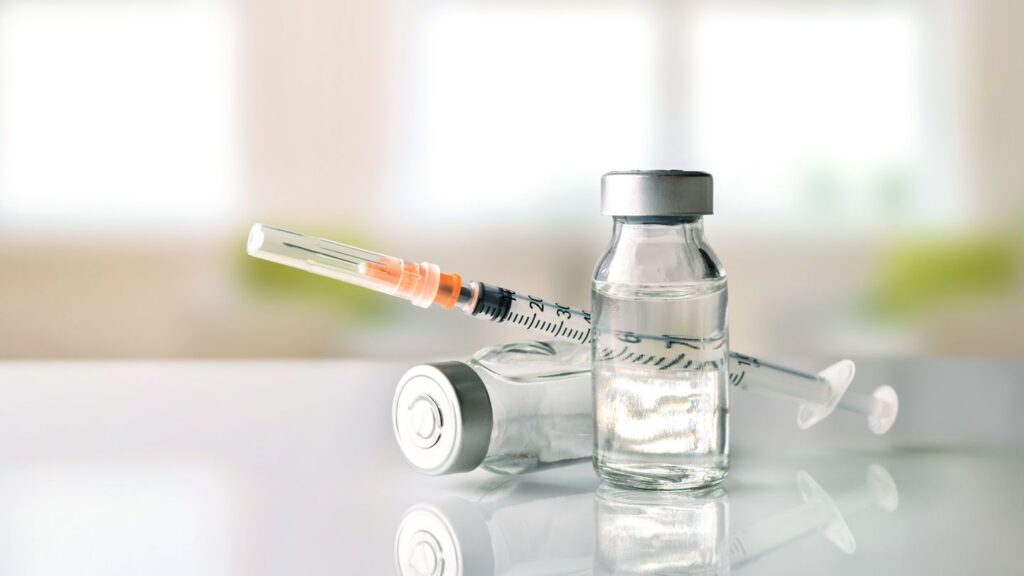
What “Compounded” Means
You’re talking to a friend who recently started their weight loss journey. They’re excited, they’re seeing progress, and at some point, they even show you their medication. They walk you through how it works, how often they take it, and how it has made them feel. This inspired you, so you decide it’s finally time to start your own journey. A few days later, you come into Skippack Pharmacy, pick up your prescription, take a look at it… and pause. “Why does mine look different?” And that’s usually where the conversation begins. Understanding what “compounded” really means Compounded medications are customized formulations prepared for an individual patient rather than mass-produced in fixed doses and formats. Instead of being limited to standard options, compounding allows for a more flexible and personalized approach. This can include adjusting the exact dose, allowing for more gradual titration, or providing a format that better fits […]
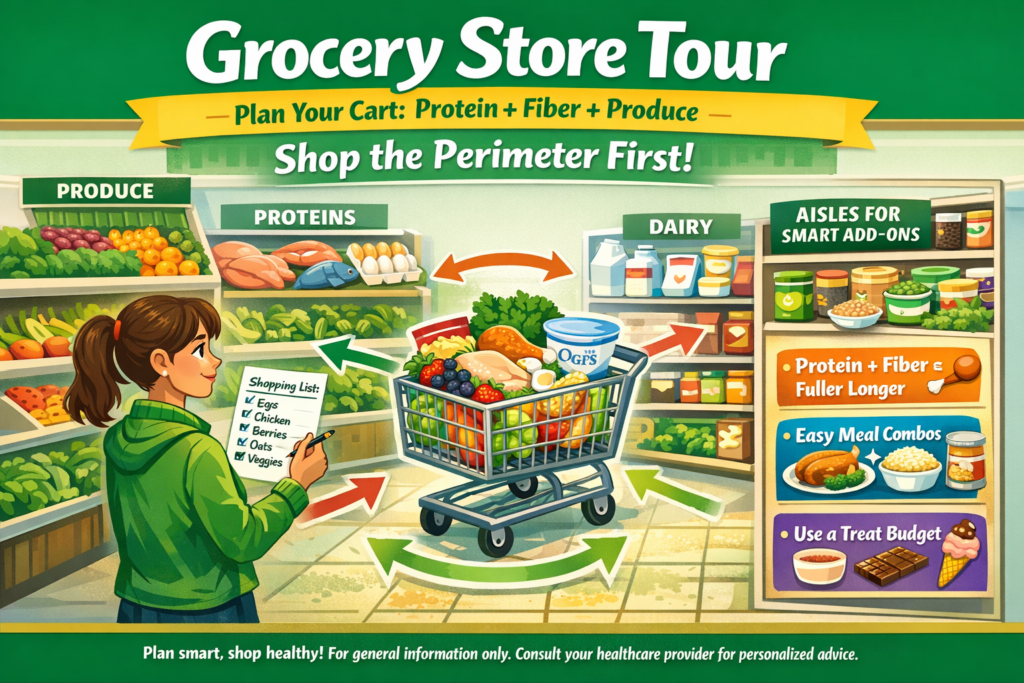
Grocery Store Tour
Do a quick “store tour” by planning your cart around protein + fiber + produce, then shop the perimeter first—you’ll make choices that keep you fuller longer and support your goals. A grocery store tour is a simple way to build meals and snacks that support weight loss without feeling overwhelmed. This is especially helpful if you’re on GLP-1s and trying to hit protein, stay regular, and avoid “nothing sounds good” meals. This is common—busy schedules, cravings, and confusing labels make it hard to know what to buy. A “grocery store tour” is a quick strategy for how to shop: Start with a plan (even a tiny one) This can be done by making a list before your trip Shop the perimeter (produce, proteins, dairy) These are key food groups important to keep you healthy. Use the aisles for smart add-ons (beans, oats, frozen vegetables, spices) Your environment drives your […]

Stress Eating and Triggers
Stress eating is something almost everyone experiences, yet many people feel like they’re the only ones struggling with it. It’s important to understand that this behavior is not about a lack of discipline or self-control. It is actually your body responding to stress in a very real and biological way. When you are under stress, your body releases cortisol, a hormone that can increase appetite and cravings, especially for foods high in sugar and carbohydrates. These foods provide quick energy and temporary comfort, which is why they are often the first things we reach for during stressful moments. In that sense, stress eating is not random—it is your body trying to cope. In everyday life, this can show up in very familiar ways. It might be snacking after a long day at work, eating while scrolling on your phone late at night, or reaching for something sweet after a difficult […]
Hydration + Electrolytes on GLP-1s: Why It Matters
Hydration helps energy and digestion, and electrolytes can be helpful in specific situations (like heavy sweating or fluid loss)—but most days, water + balanced meals are enough. When you’re on GLP-1 therapy, you may eat less—and sometimes drink less without realizing it. Hydration supports how you feel day-to-day, including energy, focus, and digestion. Electrolytes (like sodium and potassium) help your body manage fluids and muscle function, and they can be useful when you’re losing fluids. This is common—many people don’t notice they’re behind on fluids until they feel tired, headachy, or “off.” What it is Hydration = having enough fluids in your body to function well. Water helps prevent dehydration, which can contribute to constipation, unclear thinking, and fatigue. Electrolytes = minerals (like sodium, potassium, magnesium) that help with fluid balance and muscle/nerve function. Why it matters Helps you feel more energized and clear-headed Supports digestion and regularity (dehydration can […]

Maintaining Weight Loss Results
Maintaining weight loss results can be done with a combination of activities like eating healthy and exercising regularly. Exercising and eating healthy will help improve your weight loss results and will help you maintain your results over time. Aerobic activities combined with structured resistance training have been found to help patients maintain their goal weight while on GLP 1s. Aerobic exercises include: walking, running, biking, swimming, and many more Aerobic exercises help strengthen your heart and lungs. Structured Resistance Training is when you create a routine of exercises to build muscle and are done in repetition with rest periods. Structured Resistance Training helps with building muscle, boosting metabolism, strengthening bones, improving heart health, and brain function Some people may feel awkward and unsure of what to do when exercising for the first time. Remember that everyone always has to do something for the first time and do not feel embarrassed […]
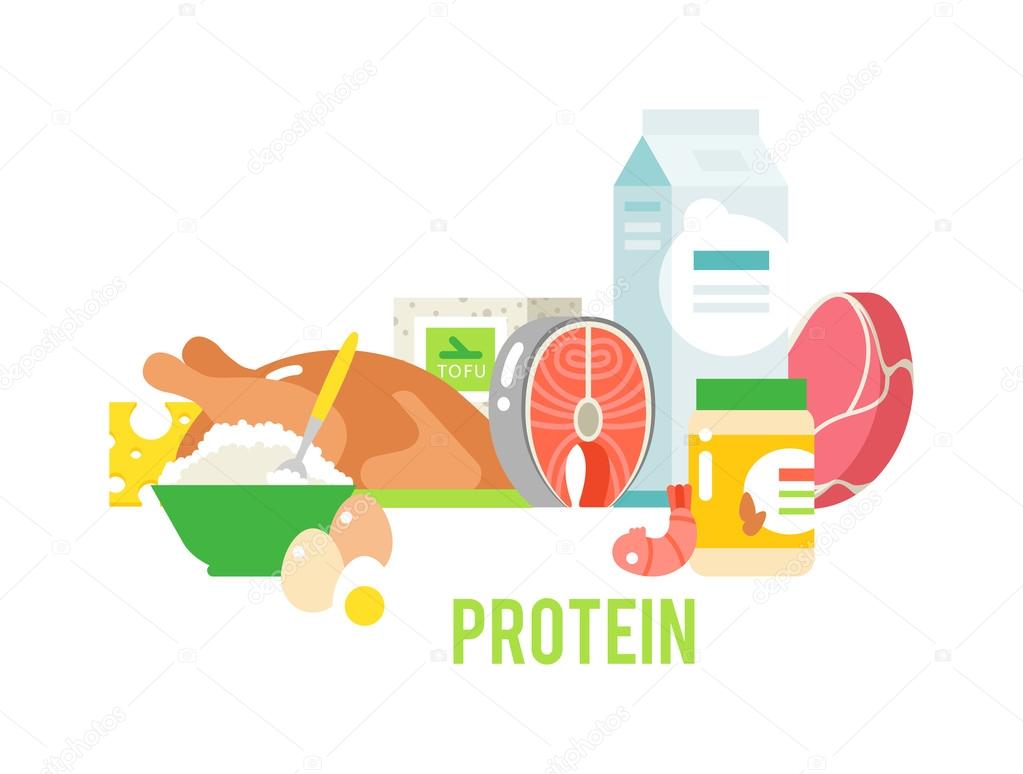
Protein Basics on GLP-1s: Why It Matters
If you’re taking a GLP-1 medication, you may notice you feel full faster and your portions naturally get smaller. That can be a big help for weight loss—but it also makes it easier to accidentally eat too little protein, which can leave you feeling less satisfied and more fatigued over time. Prioritizing protein is a simple, practical way to support your energy, strength, and steady progress—without overthinking your meals. What is protein? Protein is a nutrient your body uses to build and repair muscles and tissues. You find it in foods like: Animal sources: chicken, turkey, fish, eggs, Greek yogurt, cottage cheese Plant sources: beans, lentils, tofu/tempeh, edamame, nuts, seeds Why does protein matter (especially during weight loss)? Helps you feel full longer (less “snack hunting”) Supports muscle while you’re losing weight (not just fat) Helps meals feel more balanced and easier to stick with Easy ways to add more […]

Sleep & Weight Loss: The Missing Piece Most People Forget
If you’re working on weight loss, sleep isn’t “optional”—it’s part of the plan. When you’re short on sleep, many people feel hungrier, crave more high-calorie foods, and have less energy to move. Improving sleep won’t replace nutrition and activity, but it can make your healthy habits feel much easier to maintain. This is common—busy schedules, stress, and screens make it hard for a lot of adults to get enough sleep. What it is Sleep is your body’s recovery time—your brain and hormones reset, your muscles repair, and your appetite signals get better regulated. (Harvard Sleep Medicine) Why it matters for weight loss Too little sleep is linked with increased appetite and cravings (including higher “hunger hormone” ghrelin and lower “fullness hormone” leptin). (Harvard Health) Short sleep is associated with higher risk of obesity over time. (Harvard Health) Getting sufficient sleep can help reduce calorie intake in real-life settings. (National Institutes […]

Smart Snacking on GLP-1s: Stay Satisfied Without Overeating
On GLP-1 medications, it’s normal to feel full faster and naturally eat smaller portions. That’s great for weight loss—but it can also make snack choices more important, because you may be eating less overall or going longer between meals. The goal isn’t to snack more—it’s to snack smarter when you truly need it: choose snacks that “count” by pairing protein + fiber (like Greek yogurt + berries), pre-portioning, and eating slowly to avoid mindless nibbling. This is common—many people notice their hunger cues shift on GLP-1s and aren’t always sure when to snack or what will actually satisfy. What is it? Smart snacking means choosing a small snack that actually satisfies—usually a combination of: Protein (helps you feel full longer) Fiber (adds staying power and supports digestion) Why it matters on GLP-1s? Helps prevent going from “not hungry” to too hungry (which can lead to overeating later) Supports steady energy […]

Strength Training: The “Secret Weapon” for Feeling Strong While Losing Weight
Strength training isn’t just for bodybuilders-it’s for anyone who wants to feel stronger, move better, and protect their progress while losing weight. When you lose weight, you may lose some muscle along with fat, and strength training helps support your lean muscle and daily function. This can be especially helpful for patients on GLP-1 therapy, where eating less can make preserving muscle even more important. This is common. Many people avoid strength training because they think it’s complicated or they’re afraid of getting hurt. What is strength training? Strength training (also called resistance training) is any exercise that makes your muscles work against resistance, such as: Bodyweight moves (chair squats, wall push-ups) Resistance bands Light dumbbells or weight machines Why should I do strength training? Helps you build and maintain muscle as you lose weight Supports balance and daily activities (carrying groceries, climbing stairs) Helps protect your body from injury […]
From Script to Soothe: Getting Your Pet’s Eye Meds Filled Locally
From Script to Soothe: Getting Your Pet’s Eye Meds Filled Locally When your pet is diagnosed with an eye condition—whether it’s conjunctivitis, a corneal ulcer, glaucoma, or chronic dry eye—timely treatment is essential. Once your veterinarian writes a prescription, you might wonder where to go to get it filled. Many pet owners are now turning to their local compounding pharmacies for fast, personalized, and trustworthy service. From prescription to comfort, here’s how local pharmacies help make your pet’s road to recovery smoother. The Local Pharmacy Advantage: Speed and Service One of the most important factors when your pet is uncomfortable or in pain is how quickly you can get the medication. Local compounding pharmacies often offer same-day or next-day service, minimizing the wait time between diagnosis and relief. There’s no need to wait for online orders to ship or worry about medication delays during a flare-up. Plus, being local means […]
How High-Quality Sterile Eye Medications for Pets Are Compounded
How high-quality sterile eye medications for pets are compounded Pets with eye conditions such as infections, inflammation, ulcers, or glaucoma often require customized medications that aren’t commercially available. In these cases, compounding pharmacies play a vital role by preparing sterile ophthalmic formulations tailored to the specific needs of the animal. But how exactly are these medications made—and what ensures they are safe and effective for your pet’s eyes? Let’s go behind the scenes to explore how sterile eye medications are compounded with precision and care. Why Compounded Sterile Eye Medications Are Needed Veterinary patients often require unique concentrations, ingredients, or formulations that are not manufactured commercially. A cat with a viral eye infection may need a specific antiviral eye drop, while a dog with dry eye might require a preservative-free version of a common medication. Compounding allows pharmacists to create custom medications that meet these individual needs, while ensuring they […]
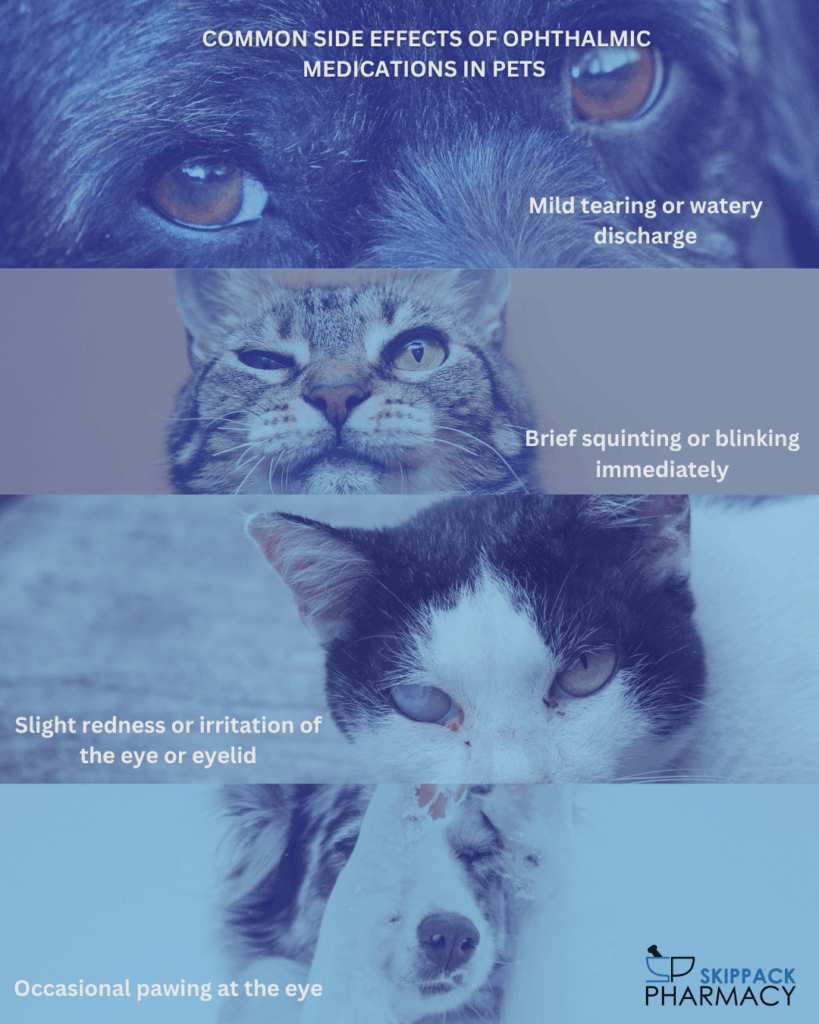
Common Side Effects of Ophthalmic Medications in Pets (and When to Call the Vet)
Common Side Effects of Ophthalmic Medications in Pets (and When to Call the Vet) When your pet is prescribed eye drops or ointments, it’s natural to feel unsure about what to expect. Eye medications are essential tools for treating conditions like conjunctivitis, corneal ulcers, dry eye, and glaucoma in animals—but like any medication, they can come with side effects. Understanding what’s normal, what’s not, and when to call your veterinarian helps ensure your pet stays safe, comfortable, and on the path to healing. How Safe Are Eye Medications for Pets? Ophthalmic medications used in veterinary medicine are generally safe and well-tolerated when used correctly. Many are specifically formulated for animals, while others are adapted from human medicine. These treatments can include antibiotics, antivirals, anti-inflammatories, lubricants, or pressure-lowering agents, each with its own safety profile. However, the eye is a sensitive organ, and even well-formulated medications can occasionally cause side effects. […]

How to Properly Administer Eye Drops to Pets Without Stress
Understanding the Importance of Eye Drop Compliance Treating eye conditions in pets often involves the use of eye drops, but many pet owners find this task stressful—for both themselves and their animals. Whether treating conjunctivitis, corneal ulcers, or chronic viral infections, proper administration is key to ensuring your pet gets the full benefit of their medication. With the right technique and a calm approach, giving eye drops can become a manageable and even routine part of pet care. Ocular medications are often prescribed for infections, inflammation, or chronic eye diseases, and must be given consistently for the treatment to be effective. Skipping doses or improper application can delay healing or worsen the condition. It’s important for pet owners to understand not just how often to give the drops, but also how to apply them correctly to maximize absorption and comfort. Prepare Before You Begin The first step is preparation. Gather […]
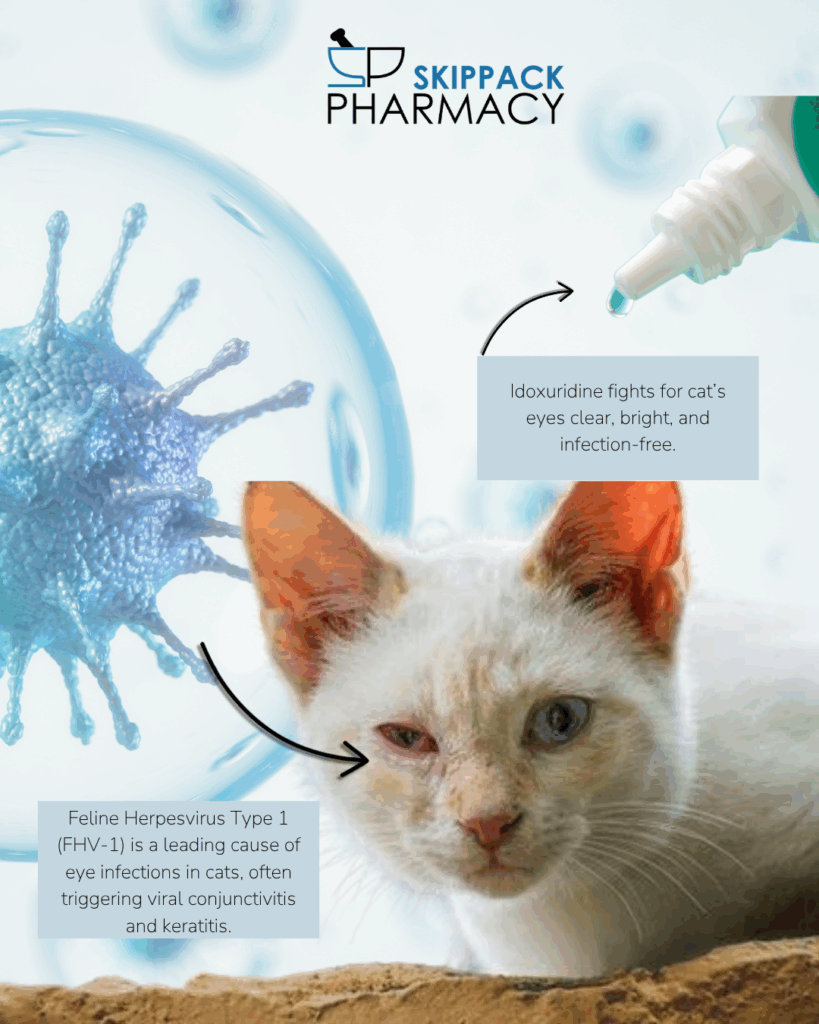
Idoxuridine Eye Drops: A Classic Antiviral for Feline Eye Health
A Classic Antiviral for Feline Eye Health Eye infections in cats can be more than just a minor nuisance—some are caused by persistent viruses that can compromise ocular health and even vision if left untreated. Among these, feline herpesvirus type 1 (FHV-1) is a common culprit, responsible for viral conjunctivitis and keratitis in cats of all ages. Fortunately, veterinary medicine has a trusted tool in its arsenal: idoxuridine eye drops, an antiviral treatment that’s been used effectively for decades. Understanding Feline Herpesvirus and Ocular Disease Feline herpesvirus-1 is a highly contagious virus that primarily affects the respiratory tract and eyes. In the eye, it can cause inflammation of the conjunctiva (conjunctivitis) and cornea (keratitis), often leading to eye discharge, squinting, pain, and in severe cases, corneal ulcers. Once infected, cats usually carry the virus for life, and episodes of illness can recur, especially during times of stress or illness. Because […]
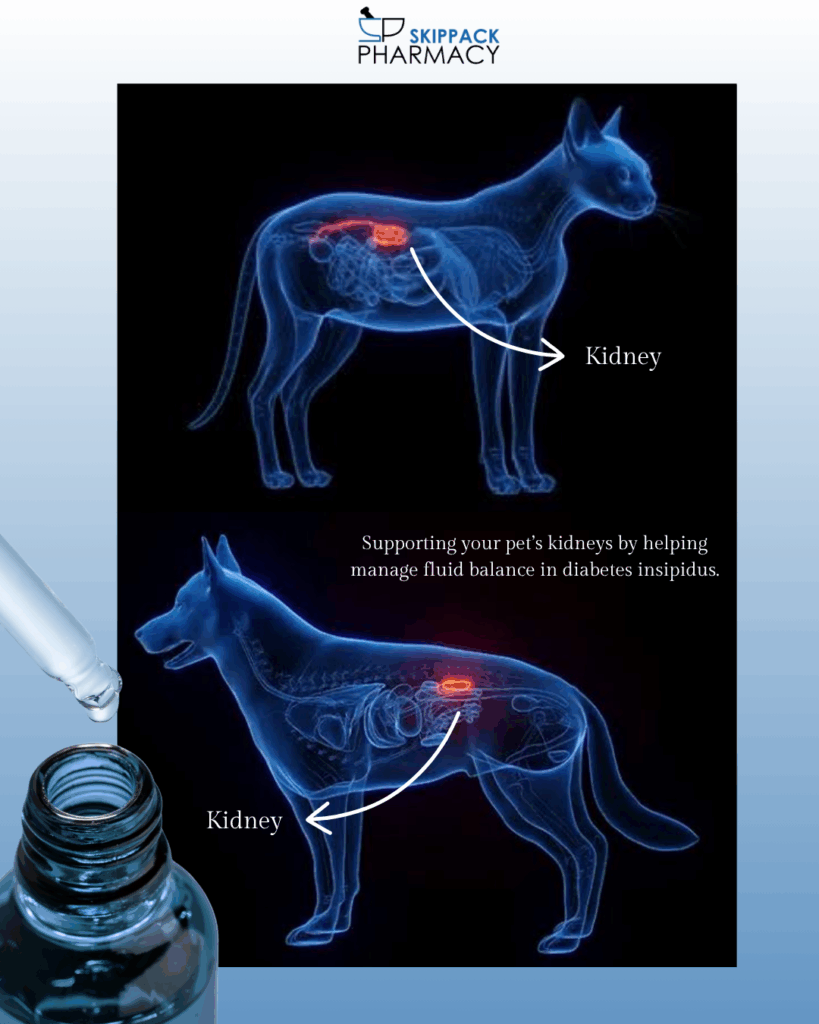
Desmopressin Eye Drops: A Unique Approach to Diabetes Insipidus in Pets
A Unique Approach to Diabetes Insipidus in Pets When our furry companions begin to show signs of excessive thirst and urination, it can be concerning and disruptive to their quality of life. One possible cause behind these symptoms is diabetes insipidus (DI)—a rare but serious condition that affects the body’s ability to conserve water. Unlike diabetes mellitus, diabetes insipidus is not related to blood sugar regulation. Instead, it results from a deficiency or resistance to antidiuretic hormone (ADH), also known as vasopressin. This hormone helps the kidneys concentrate urine and retain water. Desmopressin is often the treatment of choice for pets diagnosed with this, and is a very effective method for treating pets. What Is Desmopressin? Desmopressin acetate is a synthetic analogue of vasopressin. It mimics the natural hormone’s effects by acting on the kidneys to decrease urine output and increase water reabsorption. In veterinary medicine, desmopressin is used primarily […]

Managing Pet Glaucoma: What Demecarium Bromide Can Do
Understanding Glaucoma in Pets Glaucoma is a serious and potentially vision-threatening condition that affects the eyes of both cats and dogs. It occurs when the pressure inside the eye, known as intraocular pressure (IOP), becomes elevated due to impaired drainage of aqueous humor—the fluid that nourishes the eye. If left untreated, increased IOP can lead to optic nerve damage, irreversible vision loss, and significant discomfort for your pet. The Role of Miotic Agents in Glaucoma Treatment To manage glaucoma effectively, one goal is to reduce intraocular pressure and preserve vision. One class of drugs used to achieve this is miotic agents, which work by constricting the pupil (miosis). This constriction opens up the drainage angle in the eye, allowing fluid to exit more efficiently and thereby lowering pressure. Miotics are particularly helpful in certain types of glaucoma, such as primary angle-closure glaucoma, where narrowing of the drainage angle plays a […]
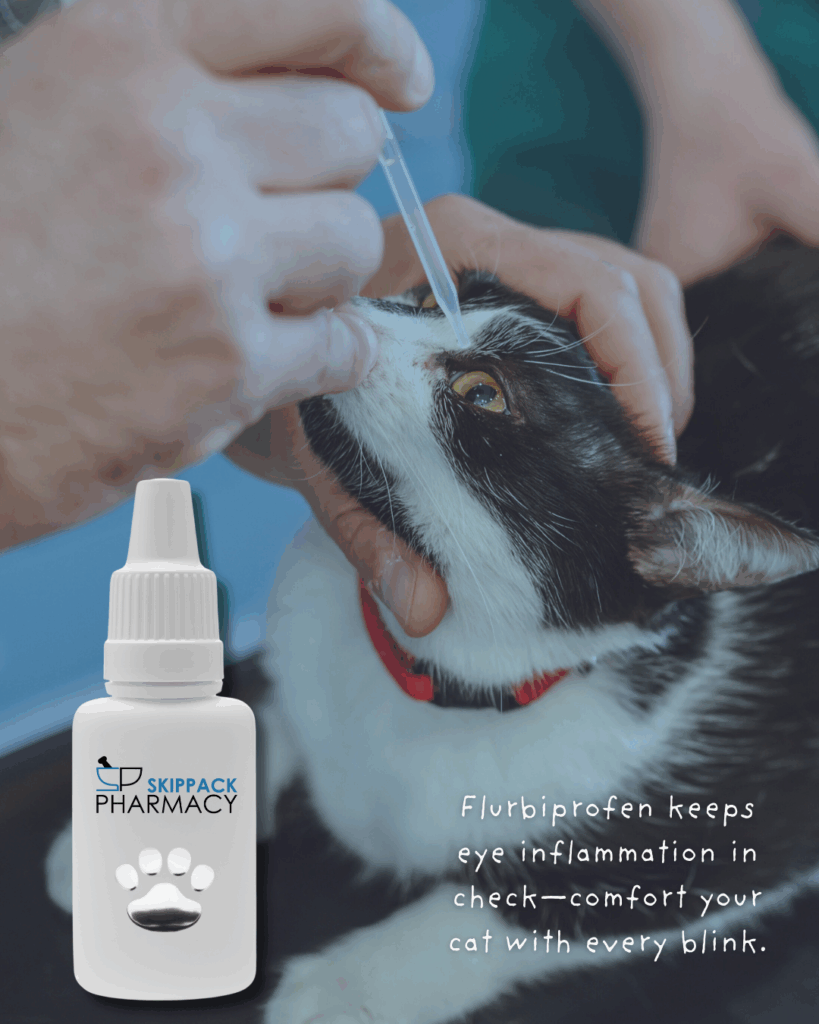
NSAID Eye Drops in Veterinary Medicine: How Flurbiprofen Reduces Inflammation
Understanding Ocular Inflammation in Pets Pets, like humans, can experience inflammation in the eyes due to various causes—injury, surgery, chronic diseases, or immune system disorders. Signs such as redness, swelling, squinting, or excessive tearing may indicate that your pet is in discomfort. Managing this inflammation is crucial not only to relieve pain but also to prevent further complications like corneal damage or vision loss. What Are NSAID Eye Drops? Non-steroidal anti-inflammatory drugs (NSAIDs) are a class of medications commonly used to treat inflammation and pain. In veterinary ophthalmology, NSAID eye drops provide targeted relief from eye inflammation without the immunosuppressive effects of corticosteroids. This makes them an especially useful tool when managing certain conditions or when steroids are contraindicated. Flurbiprofen: A Trusted NSAID for Ocular Care One of the most widely used NSAID eye drops in both human and veterinary medicine is flurbiprofen. Flurbiprofen works by blocking the action of […]
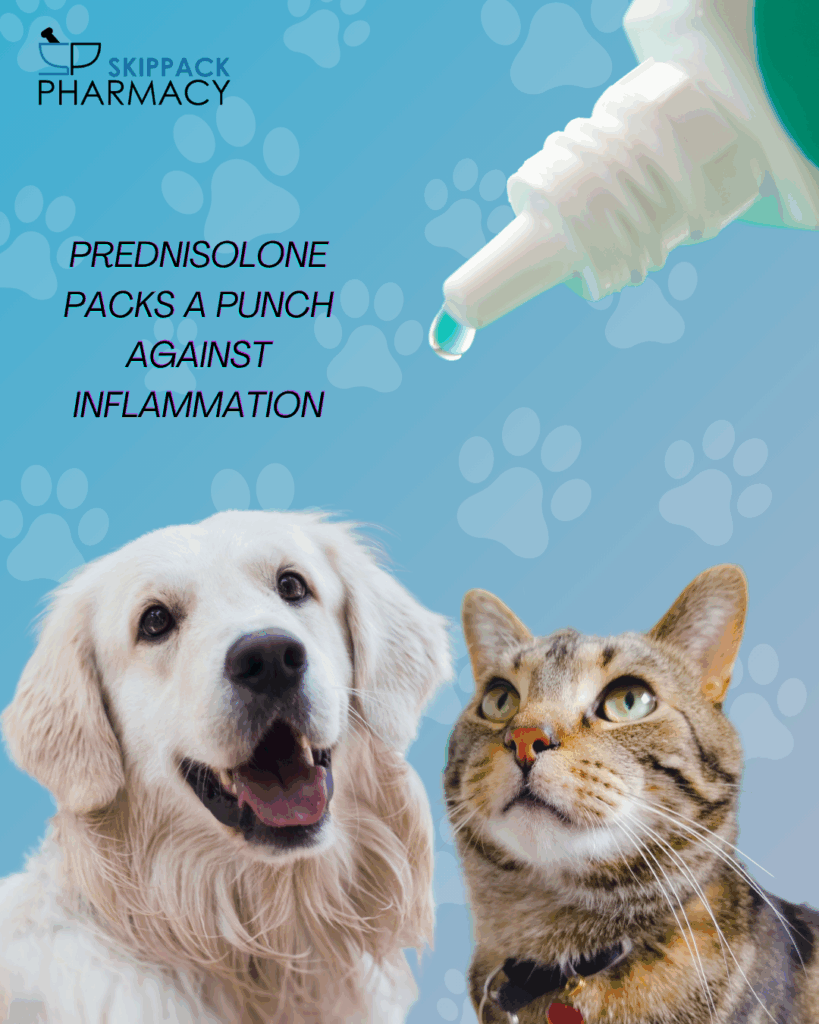
Understanding Prednisolone Eye Drops: Inflammation in Pets
What Are Prednisolone Eye Drops? Prednisolone is a corticosteroid medication commonly used in veterinary ophthalmology to reduce inflammation in the eyes. When formulated as eye drops or ophthalmic suspensions, prednisolone works directly at the site of irritation to calm inflammation, relieve redness, and reduce swelling. This makes it a valuable treatment for a variety of eye conditions in pets, including uveitis (inflammation of the eye’s middle layer), conjunctivitis, keratitis, and post-surgical inflammation. How Corticosteroids Work in the Eye Inflammation in the eye can occur for many reasons—injury, infection, autoimmune reactions, or underlying diseases. Prednisolone helps by suppressing the immune system’s overactive response that causes tissue damage and discomfort. It blocks the release of inflammatory chemicals and reduces the activity of white blood cells, helping to restore a healthier, calmer ocular environment. As a result, pets often experience fast relief from pain, squinting, and discharge when treated appropriately. Benefits of Using […]
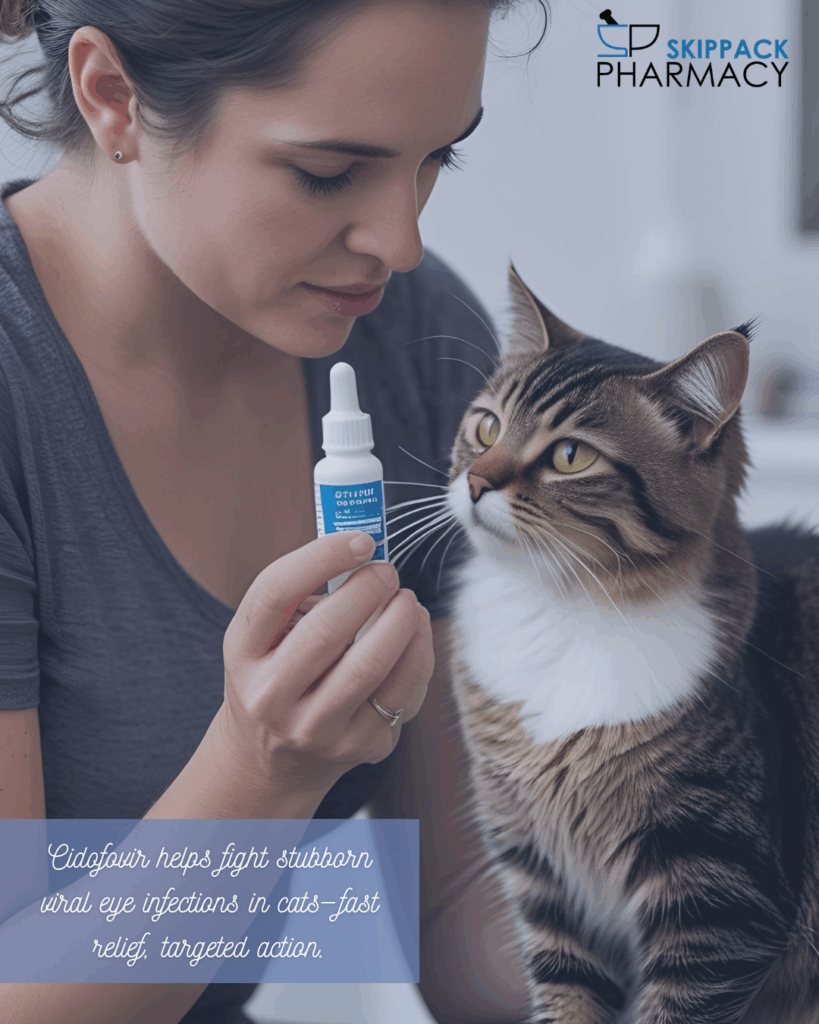
Cidofovir for Cats: Fighting Feline Herpesvirus Eye Infections
Understanding Feline Herpesvirus (FHV-1) Feline herpesvirus type 1 (FHV-1) is a common viral infection in cats that often leads to upper respiratory symptoms and ocular disease. Many cats are exposed to FHV-1 as kittens, and once infected, the virus remains in their system for life. While it may stay dormant for long periods, stress, illness, or immune suppression can trigger flare-ups. One of the most frustrating symptoms of these recurrences is viral conjunctivitis or keratitis—inflammation of the eye’s surface that can cause redness, squinting, discharge, and pain. The Role of Antiviral Therapy in Ocular FHV-1 Since FHV-1 is a virus, antibiotics won’t help unless there’s a secondary bacterial infection. That’s where antiviral therapy comes in. While there are several treatment options available, many require frequent dosing or are not well-tolerated by all cats. Cidofovir has emerged as an effective and convenient topical antiviral specifically for treating the eye-related complications of […]

Dry eye in pets: How cyclosporine drops improve comfort and clarity
What is dry eye (Keratoconjunctivitis sicca)? Keratoconjunctivitis sicca (KCS), commonly known as dry eye, is a condition where a pet’s eyes do not produce enough natural tears to keep the surface of the eye lubricated. Tears are essential for washing away debris, protecting against infection, and maintaining overall eye health. When tear production is reduced, pets may experience irritation, inflammation, excessive blinking, or thick, mucus-like discharge. Over time, dry eye can lead to corneal ulcers, pigmentation, and even vision loss if left untreated. Why Does KCS happen? KCS is most often caused by immune-mediated destruction of the tear glands, where the body’s own immune system mistakenly attacks the cells that produce tears. Other causes may include certain medications, infections, or breed predispositions—especially in dogs like Cocker Spaniels, Bulldogs, Shih Tzus, and Westies. Identifying and treating KCS early is critical to preventing permanent damage and maintaining a pet’s quality of life. […]

Tacrolimus Eye Drops: A deeper look at this powerful immunosuppressant
What is Tacrolimus and how does it work? Tacrolimus is a powerful immunosuppressant used in veterinary medicine to treat immune-related eye conditions. It works by inhibiting calcineurin, an enzyme involved in activating T-cells—immune cells that cause inflammation. By suppressing this immune response, Tacrolimus helps protect the eye from ongoing damage and promotes healing, especially in cases where the immune system attacks the tear glands or ocular tissues. When is Tacrolimus prescribed Tacrolimus is typically used for pets who have not responded well to Cyclosporine or who have more severe forms of ocular inflammation. It’s especially effective for treating keratoconjunctivitis sicca (KCS), also known as dry eye, as well as other conditions like pannus or immune-mediated conjunctivitis. Because it is stronger than Cyclosporine, Tacrolimus is often chosen for pets with advanced or difficult-to-manage eye diseases. How is it compounded and administered? Tacrolimus eye drops are usually compounded in sterile, oil-based formulations […]
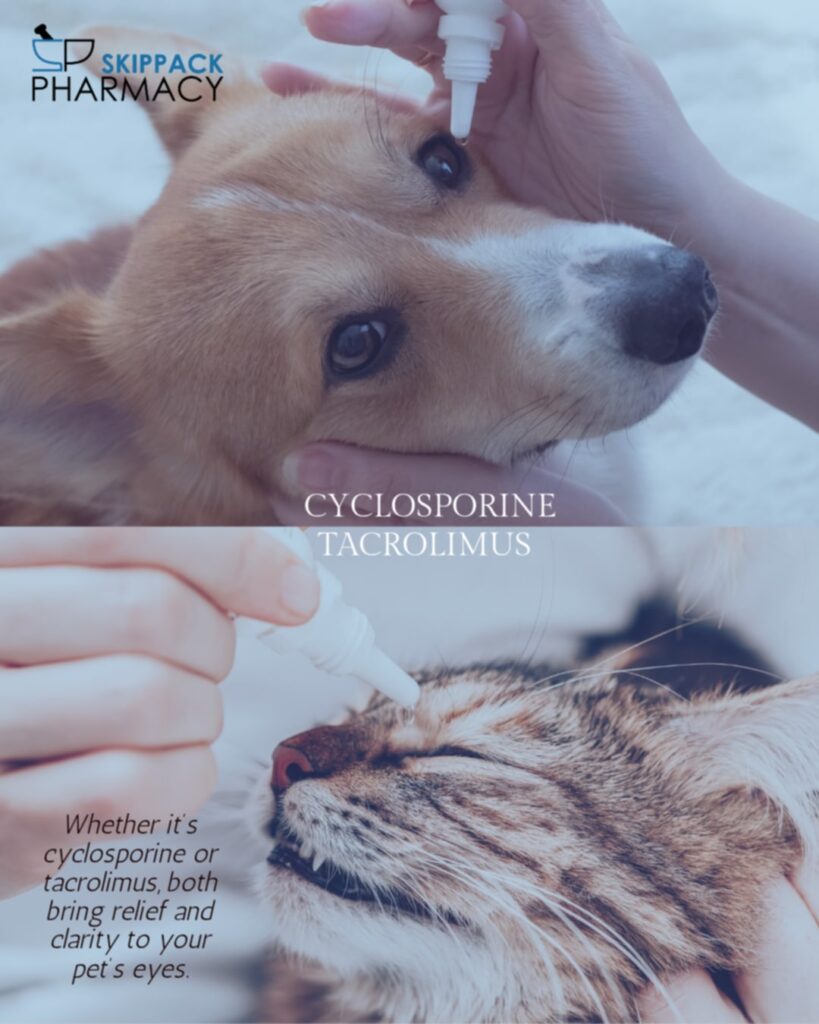
Cyclosporine vs. tacrolimus: Choosing the Right drop for your pet’s eyes
Choosing the Right drop for your pet’s eyes When it comes to treating chronic eye conditions in pets, particularly dry eye or immune-mediated disorders, immune-modulating eye drops play a critical role in managing symptoms and improving quality of life. Two of the most commonly used medications in veterinary ophthalmology for these purposes are Cyclosporine and Tacrolimus. While both drugs help reduce inflammation and promote tear production, they work in slightly different ways, and each may be better suited for specific conditions and individual pets. Understanding cyclosporine Cyclosporine is a well-established immunosuppressive drug used in veterinary medicine to treat a variety of conditions, including dry eye (keratoconjunctivitis sicca) in pets. It works by inhibiting the activation of T-cells, which are responsible for causing inflammation in the eye. This action helps decrease the immune system’s attack on the tear-producing glands, allowing the eye to produce more natural tears. Cyclosporine eye drops are […]

Why Sterility Matters: Safe Eye Care for your pets
The Importance of sterile eye medications When it comes to treating eye conditions in pets, sterility isn’t just a best practice, it’s a necessity. Your pet’s eyes are delicate, highly sensitive organs that are vulnerable to irritation, infection, and long-term damage if not treated with the utmost care. That’s why sterile compounding practices are essential when preparing ophthalmic medications. Preventing infection and complications Sterile formulations are created in highly controlled environments that prevent microbial contamination. This is especially important for eye drops and ointments, which come into direct contact with the surface of the eye. If these medications are not sterile, they could introduce bacteria, fungi, or other harmful pathogens into the eye, potentially leading to serious complications such as corneal ulcers or even blindness. Customized medications for your pet’s needs Sterile compounding also allows us to customize medications specifically for your pet’s needs. For example, some pets require specific […]

Pet Eye Medications 101: What They are and how they help
What They are and how they help At Skippack Pharmacy, we understand that your pet’s vision is just as important as your own. From chronic dry eye to ocular inflammation and viral infections, pets can experience a range of eye conditions that require specialized care. That’s where veterinary ophthalmic compounding comes in. We offer a wide selection of sterile, customized eye medications to help support your pet’s eye health and improve their quality of life. Why Compounded Eye Medications Matter Commercial veterinary medications don’t always come in the right strength, formula, or delivery system needed for every pet. That’s especially true when it comes to eye medications, where precise concentrations, sterility, and tolerance are critical. Our compounded ophthalmic solutions and suspensions are prepared in a sterile environment to ensure safety and effectiveness – tailored to your pet’s specific diagnosis and needs. Commercial veterinary medications don’t always come in the right […]

The Role of Blood Flow in Female Arousal: What You Need to Know
The Role of Blood Flow in Female Arousal: What You Need to Know Sexual arousal is a natural, complex response that involves both the body and the brain. While we often think of desire or mood as the drivers of arousal, the truth is that circulation—especially increased blood flow—plays a major physiological role in the female sexual response. Understanding what happens inside the body during arousal can help explain why some treatments, like topical creams that enhance blood flow, can make a real difference for women experiencing sexual dysfunction. The Four Phases of Female Sexual Arousal The female sexual response is often described in four stages: desire, arousal, plateau, and resolution. Each stage is accompanied by hormonal shifts and physical changes. 1. Desire (Libido) This is the mental and emotional starting point. Psychological factors—such as mood, comfort, and attraction—are triggered in the brain, where hormones like dopamine and norepinephrine begin […]

Personalized Sexual Wellness: Why Custom Compounded Creams May Be Right for You
Why Custom Compounded Creams May Be Right for You Personalized Sexual Wellness: Why Custom Compounded Creams May Be Right for You In today’s world, personalized care isn’t a luxury—it’s an expectation. From skincare to supplements, people are seeking solutions that fit their individual needs rather than settling for mass-market products. The same should be true when it comes to sexual wellness. For women experiencing low libido, arousal difficulties, or intimacy-related challenges, custom-compounded creams offer a promising alternative to over-the-counter treatments. These prescription medications are designed with precision, intention, and efficacy in mind—helping patients take back control of their wellbeing. Unlike commercial creams or supplements that offer a one-size-fits-all approach, compounded sexual wellness creams are made in verified 503A or 503B pharmacies—regulated facilities held to strict safety and quality standards. At Skippack Pharmacy, while we don’t compound these medications on-site, we source them from highly trusted, FDA-compliant compounding laboratories. These facilities […]
A Pharmacist’s Guide to Enhancing Female Arousal—Without Pills
A Pharmacist’s Guide to Enhancing Female Arousal—Without Pills When it comes to female sexual wellness, the conversation has often been limited, overlooked, or overshadowed by one-size-fits-all solutions—most of which come in pill form. But for many women, that’s not the ideal approach. Whether due to personal preference, medical contraindications, or a desire for localized effects, more women are exploring non-oral alternatives to support arousal and intimacy. As pharmacists, we’re uniquely positioned to help women understand the options available—especially when it comes to safe, science-backed compounded creams that support circulation, sensitivity, and satisfaction without relying on systemic medications. In this guide, we’ll explore how these innovative, non-pill therapies work, who they may benefit, and why this approach could be the empowering step forward many women have been waiting for. A Pharmacist’s Guide to Enhancing Female Arousal—Without Pills When it comes to female sexual wellness, the conversation has often been limited, overlooked, […]
Breaking the Taboo: How Compounded Creams Can Empower Women’s Sexual Health
How Compounded Creams Can Empower Women’s Sexual Health A Personalized, Respectful Approach to Intimacy and Wellbeing For too long, conversations around women’s sexual health have been whispered about—if they’ve happened at all. At Skippack Pharmacy, we believe it’s time to change that. Sexual wellness is an essential part of overall health, yet many women continue to suffer in silence due to stigma, misinformation, or a lack of tailored treatment options. We’re here to say: you are not alone—and support is available. Understanding Female Sexual Wellness Like any other aspect of health, sexual wellbeing is influenced by a variety of factors—from hormonal imbalances and stress to chronic conditions and side effects from medications. According to CareFirst Specialty Pharmacy, “Whether you are a man or a woman, sexual health problems can affect people physically and emotionally, decreasing interest in sexual activity as well as self-confidence.” Importantly, these challenges are common—and treatable. Medical […]

Pentoxifylline and Pleasure: An Unexpected Ingredient for Intimate Wellbeing
An Unexpected Ingredient for Intimate Wellbeing A Glimpse Into Skippack Pharmacy’s Ongoing Research in Sexual Health At Skippack Pharmacy, our goal is simple: to help our patients live fuller, healthier lives—including in areas of health that are often overlooked, like sexual wellness. That’s why we’re constantly researching emerging therapies, lesser-known compounds, and new ways to support your most personal health needs. One intriguing compound currently catching our attention? Pentoxifylline—a medication traditionally used to treat circulatory issues, but now showing surprising potential in the realm of intimate wellbeing. What Is Pentoxifylline? Pentoxifylline is a vasodilator best known for improving blood flow in people with peripheral artery disease, where it helps reduce cramping and leg pain by thinning the blood and enhancing circulation. But researchers are now beginning to look beyond the legs and into more intimate applications—particularly where blood flow and arousal are closely linked, such as in erectile dysfunction in […]

Sildenafil Isn’t Just for Men: Its Role in Female Intimacy
Sildenafil Isn’t Just for Men: Its Role in Female Intimacy Understanding the Off-Label Use of a Well-Known Vasodilator Sildenafil, commonly recognized under the brand name Viagra, is famously used to treat erectile dysfunction in men. But what many don’t realize is that this same compound is being studied, and in some cases prescribed, for women’s sexual health, too. At Skippack Pharmacy, we’re on the forefront of exploring these innovative uses through custom-compounded intimacy creams that include sildenafil for female sexual arousal support. Let’s break down the science behind it, and why women are starting to take notice. What Is Sildenafil? Sildenafil is a PDE5 inhibitor that works by relaxing the smooth muscles lining blood vessels, allowing for increased blood flow. It’s widely known for its role in improving penile blood flow, but its action on vascular tissue isn’t gender-specific. In fact, blood flow is just as crucial for female arousal […]

How Alprostadil, Papaverine & More Are Changing Women’s Intimate Health
How Alprostadil, Papaverine & More Are Changing Women’s Intimate Health The Medical Science Behind Vasodilators and Libido-Enhancing Compounds Female sexual wellness is often under-discussed in mainstream healthcare, but science is catching up—and transforming lives in the process. A growing body of research and clinical experience supports the use of topical vasodilators to address female sexual dysfunction (FSD), specifically problems with arousal, sensitivity, and orgasm. Ingredients like alprostadil, papaverine, arginine, sildenafil, and more are now being incorporated into topical intimacy creams, offering women new, non-invasive ways to improve their intimate health. Let’s explore how these compounds work—and why they matter. The Science of Blood Flow and Arousal Sexual arousal and satisfaction depend heavily on adequate blood flow and nerve responsiveness. In women, proper circulation to the clitoral and vaginal areas enhances sensitivity, lubrication, and orgasmic potential. That’s where vasodilators come in. These ingredients work by relaxing smooth muscles in blood vessels, […]

Frequently Asked Questions About Women’s Arousal Creams
Questions About Women’s Arousal Creams Whether you’re exploring intimacy creams for the first time or simply looking to better understand how they work, it’s natural to have questions. At Skippack Pharmacy, we’re committed to providing expert-backed information, so you can feel confident, safe, and empowered in your choices. Below, we’ve answered some of the most common questions we hear about women’s arousal creams. Q1: Do Topical Arousal Creams Really Work? Yes. There is growing clinical evidence supporting the effectiveness of these formulations. For example, a recent pilot study evaluated a topical cream containing small amounts of vasodilators—ingredients that help widen blood vessels and improve blood flow. After just four weeks of use, both premenopausal and postmenopausal women experienced significant improvements in sexual function, including increased arousal, better orgasm quality, improved lubrication, and greater overall satisfaction. In fact, participants using the active cream showed far more improvement on validated measures like […]

Euphoria, Climax, and Scream: Choosing Your Perfect Intensity Level
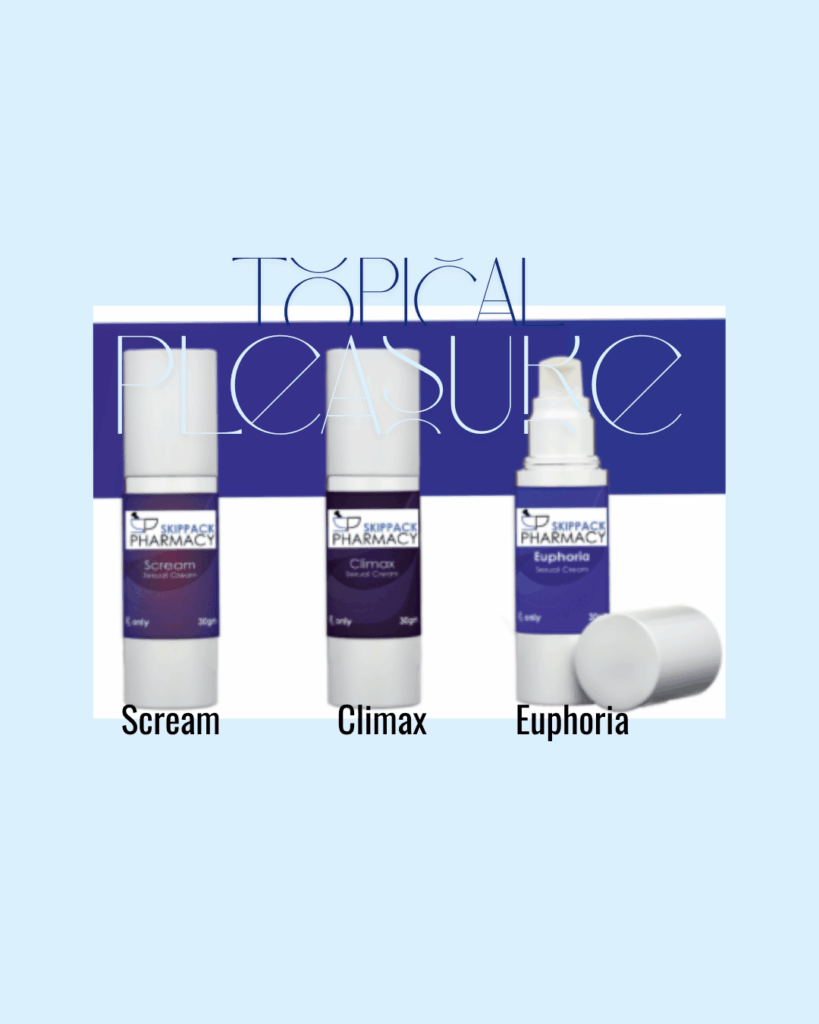
Choosing Your Perfect Intensity Level At Skippack Pharmacy, we know that every woman’s body responds differently to intimacy products. That’s why we’ve created three distinct formulations: Euphoria, Climax, and Scream. Each designed to deliver a unique level of sensation and arousal. Whether you’re looking for subtle enhancement or a more intense experience, this guide will help you understand how each option feels, so you can confidently choose what’s best for your needs. Scream: Fast-Acting & Intensely Stimulating For women seeking quick, noticeable arousal, Scream offers the strongest initial physical sensation. The combination of arginine (6%), theophylline (3%), and sildenafil (2%) works together to rapidly increase blood flow to intimate areas. Within minutes of application, many women report feeling a pulsating warmth, heightened sensitivity, and a tingling sensation that can build anticipation leading into intimacy. Because of sildenafil’s powerful vasodilating effects, the rush of blood flow can sometimes create a deep, […]

How to Use Intimacy Creams: Safely and Effectively
How to Use Intimacy Creams: Safely and Effectively Using intimacy creams like Scream, Climax, and Euphoria can be a simple and discreet way to enhance sensitivity, arousal, and overall satisfaction. To help you get the most from these products, here’s a step-by-step guide on proper application, safety precautions, and what you can expect. Proper Application for Best Results Before applying the cream, wash your hands thoroughly to ensure cleanliness. Dispense a pea-sized amount of the cream and gently massage it onto the external genital area, focusing on the clitoris and surrounding tissues where stimulation is most effective. It’s important to allow 15 to 30 minutes for the active ingredients to absorb fully and take effect before engaging in intimacy. Keep in mind that individual experiences may vary; some may feel the effects sooner than others. These creams are designed for occasional use; if you’re thinking about using them regularly, be […]

Understanding the Ingredients: What’s Inside Your Sexual Health Cream and Why It Matters
What’s Inside Your Sexual Health Cream and Why It Matters Taking charge of your sexual health starts with understanding the ingredients that go into the products designed to support it. At Skippack Pharmacy, we offer custom intimacy creams: Scream, Climax, and Euphoria, that harness scientifically studied compounds to promote sexual wellness in a way that’s safe, natural, and tailored to your body’s needs. Each ingredient is carefully chosen not just for its individual effects, but for how it complements others, creating a balanced formula that can address various aspects of female sexual health. One ingredient you’ll find in some of our creams is Theophylline, a compound related to caffeine. Beyond its familiar stimulant family, theophylline acts as a vasodilator, meaning it helps relax and widen blood vessels to increase blood flow. This improved circulation supports enhanced sensitivity and responsiveness in intimate areas. Interestingly, theophylline also has mild anti-inflammatory properties, which […]

The Science of Arousal: How Our Formulas Work to Boost Sensitivity and Libido
How Our Formulas Work to Boost Sensitivity and Libido Female sexual wellness is influenced by a variety of interconnected factors, including circulation, nerve function, hormonal changes, physical comfort, and emotional well-being. Many women experience changes in sexual function at different stages of life, whether due to aging, stress, hormonal shifts, medical conditions, or simply the natural evolution of their bodies. At Skippack Pharmacy, we offer a line of custom-compounded intimacy creams; Scream, Climax, and Euphoria; designed to support women’s intimate health by addressing several of these key factors. In this guide, we’ll explain how the carefully selected ingredients in these formulations work together to help promote comfort, sensitivity, arousal, and confidence, allowing women to take control of their intimate wellness in a safe, personalized, and empowering way. Understanding the Ingredients: How Each Component Supports Sexual Wellness When it comes to intimacy creams, the power lies in their carefully selected ingredients. […]

From Scream to Euphoria: Which intimacy Cream is Right for you?
Which intimacy Cream is Right for you? When it comes to enhancing sexual wellness and intimacy, one size doesn’t fit all. Every woman’s body is unique, and so are her needs when it comes to sexual health. Whether you’re looking for a mild boost in sensitivity or a more potent solution to improve libido, Skippack Pharmacy offers three specially formulated intimacy creams—Scream, Climax, and Euphoria. Each one has been carefully designed to address specific aspects of sexual wellness with a unique combination of ingredients. In this post, we’ll compare the three creams based on their ingredients, intensity, and intended effects, helping you make an informed decision about which option might be best for you. Understanding the Basics: How Intimacy Creams Work Intimacy creams are topical formulations designed to increase blood flow, improve sensitivity, and support sexual function by applying targeted ingredients directly to the external genital area. Unlike systemic medications […]
Skippack Pharmacy’s Women’s Sexual Health Cream – Information Chart
Skippack Pharmacy’s Women’s Sexual Health Cream – Information Chart When it comes to supporting women’s sexual wellness, especially in cases where hormonal changes, stress, or medical conditions impact libido or arousal, topical therapies can offer targeted, effective relief. These compounded creams work locally to enhance sensation, increase blood flow, and support overall sexual function, with minimal systemic side effects. In this post, we’ll provide an overview of three specially formulated creams: Scream, Climax, and Euphoria—explaining what each one does, how they work, and which women they may benefit most. Scream – Gentle Stimulation with a Boost What it is: A compounded blend of Theophylline 3% / Arginine 6% / Sildenafil 2%, designed to support increased blood flow and responsiveness. How it works: The ingredients help dilate blood vessels and enhance local circulation, which may lead to heightened sensitivity and arousal. Who it’s for: Women looking for a gentle yet effective […]

Women’s Health Matters: What is Women’s Health?
What is Women’s Health? When it comes to health and wellness, women often put their needs last. Between careers, caregiving, and daily responsibilities, it’s easy to overlook symptoms or postpone doctor visits. But prioritizing your health—both physical and mental—is essential to living a vibrant, balanced, and long life. At Skippack Pharmacy, we’re committed to helping women in our community feel their best every day. Women’s health covers the unique physical and mental health needs women face throughout their lives. This includes everything from reproductive and hormonal health to heart health, mental well-being, and bone density. Women often prioritize the needs of others before their own, which can lead to delayed doctor visits or overlooked symptoms. That’s why awareness, prevention, and access to care are more important than ever. Who It Impacts Women’s health issues can affect females of all ages. From teenage girls navigating hormonal changes and mental health, to […]

Men’s Health Matters: Cialis: What to know
Cialis: What to know When it comes to men’s health, few topics generate as much curiosity, and confusion, as erectile dysfunction (ED) treatments. Among the most well-known options is Cialis (generic name: tadalafil), a medication that has helped millions of men regain confidence and improve their quality of life. But what exactly is Cialis, how does it work, and what should you know before taking it? What is Cialis? Cialis is a prescription medication approved by the FDA to treat erectile dysfunction (ED) and benign prostatic hyperplasia (BPH). BPH in normal terms is an enlarged prostate. Cialis belongs to a class of drugs known as PDE5 inhibitors, which work by relaxing the blood vessels and increasing blood flow to certain areas of the body, including the penis. Unlike Viagra, which is typically taken on-demand, Cialis can be used either as needed or once daily, depending on the prescribed dose and […]

Men’s Health Matters: Sildenafil for men: What you should know?
Sildenafil for men: What you should know? Erectile dysfunction (ED) is more common than most people realize, and it’s nothing to be embarrassed about. Sildenafil (Viagra) is one of the most trusted treatments out there, helping men improve confidence and intimacy. In this blog, we’ll cover what it is, how it works, and what you should know before using it. What is sildenafil? Sildenafil, commonly known by the brand name Viagra, is a well-known medication used to treat erectile dysfunction (ED) in men. Originally developed for heart problems, it was discovered to have a surprising effect: improving blood flow to certain parts of the body, including the penis. Since its FDA approval in 1998, sildenafil has helped millions of men regain confidence and sexual function. If you’re considering sildenafil or already have a prescription, here’s what you need to know. How it works Sildenafil belongs to a class of medications […]

Men’s Health Matters: Reverse Agent Injectable Medication: What to Know
Reverse Agent Injectable Medication: What to Know If you’re using injectable medications for erectile dysfunction—like Trimix, Quadmix, or alprostadil (PGE1), you’ve likely been told about their effectiveness in helping achieve a firm, reliable erection. But what happens if the medication works too well? That’s where a reverse agent comes in. What Is a reverse agent? A reverse agent is an injection used to treat erections that last more than 4 hours (also called Priapism), and do not go away on their own. This medication is most commonly phenylephrine. Priapism is an emergency because it can lead to tissue damage in the penis. This reverse agent shrinks blood vessels, and allows the blood to leave the penis. When to use it You should consider using a reverse agent if your erection lasts more than 4 hours after injection therapy. At that point it’s a situation that requires action. If you don’t […]

Men’s Health Matters: Quadmix Injectable Medication: What to Know
Quadmix Injectable Medication: What to Know When oral medications for erectile dysfunction (ED), such as Cialis or Viagra, aren’t effective or don’t provide sufficient results, some men turn to more advanced treatment options. One such option is Quadmix; a potent injectable medication designed to help achieve and maintain an erection when other treatments are unsuccessful. Although the idea of an injection may seem daunting at first, Quadmix has helped many men restore their sexual health and confidence. Here’s what you should know. What Is Quadmix? Quadmix is a compounded injectable medication that combines four active ingredients: Papaverine Phentolamine Alprostadil (Prostaglandin E1) Atropine These ingredients work together to increase blood flow to the penis by relaxing smooth muscles and dilating blood vessels. Quadmix is typically injected directly into the penile tissue (corpus cavernosum) shortly before sexual activity. It is one of the most potent injectable ED treatments available and is often […]

Men’s Health Matters: Trimix injectable medication: what to know
Trimix injectable medication: what to know When it comes to managing erectile dysfunction (ED), several treatment options are available. If oral medications like sildenafil (Viagra) aren’t providing the desired results, one alternative your provider might recommend is Trimix. This medication is a blend of three drugs that are injected directly into the penis to help achieve an erection. If you’ve been prescribed Trimix or are exploring it as a potential option, here’s what you should know to ensure safe and effective use. What Is trimix? Trimix is an injectable medication used to treat erectile dysfunction (ED). It is made from a mixture of three active ingredients: Alprostadil– A vasodilator that helps increase blood flow to the penis. Papaverine– A smooth muscle relaxant that helps the blood vessels in the penis relax and expand. Phentolamine– An alpha-blocker that enhances the effects of the other two medications by relaxing the muscles around […]
Men’s Health Matters: PGE Injectable Medication: What to Know
Men’s Health Matters: PGE Injectable Medication: What to Know When it comes to addressing erectile dysfunction (ED), many treatment options are available; from oral medications to vacuum pumps and penile implants. But for men who don’t respond well to pills like Viagra or Cialis, injectable medications, particularly those containing PGE, or prostaglandin E1 (alprostadil), can offer an effective alternative. Let’s break down what PGE injectable medication is, how it works, and what you should know before considering it. What Is PGE Injectable Medication? PGE refers to prostaglandin E1, a naturally occurring substance in the body that helps dilate blood vessels. In the context of ED treatment, alprostadil (a synthetic version of PGE1) is injected directly into the penis to stimulate blood flow and produce an erection. PGE may be used alone or combined with other agents such as: Papaverine Phentolamine This combination, often referred to as Trimix, can enhance effectiveness, […]

Men’s Health Matters: Injectable Medications: PGE, Trimix, Quadmix, & Reverse Agent
Men’s Health Matters: Injectable Medications: PGE, Trimix, Quadmix, & Reverse Agent When it comes to treating erectile dysfunction (ED), especially in cases where oral medications like Viagra or Cialis aren’t effective, injectable therapies can offer reliable, fast-acting results. These treatments work directly at the site of action, increasing blood flow and helping men achieve sustainable erections with minimal systemic side effects. Understanding ED Injection Therapy: A Guide to PGE1, Trimix, and Quadmix For men who don’t respond to oral erectile dysfunction (ED) medications, or who experience unwanted side effects; injection therapy offers a highly effective alternative. From the single-agent option Alprostadil (PGE1), to the widely used Trimix, and the ultra-potent Quadmix, injectable treatments can restore confidence and improve quality of life. Each formulation works by increasing blood flow to the penis, but they vary in strength, ingredients, and side effect profiles. We will break down how these therapies work, who […]

Men’s Health Oral Medications: Sildenafil & Cialis
Men’s Health Oral Medications: Sildenafil & Cialis What You Should Know About These Trusted Treatments for Erectile Dysfunction Erectile dysfunction (ED) is more common than many people think, and it’s nothing to be embarrassed about. At Skippack Pharmacy, we offer discreet, compassionate care and personalized treatment options to help men regain confidence and control. Two of the most well-known and effective oral medications for ED are Sildenafil (Viagra) and Tadalafil (Cialis). This guide will help you understand the key differences between them, how to take them, and how to get the best results—safely and confidently. What Are Sildenafil and Tadalafil? Both Sildenafil and Tadalafil are PDE5 inhibitors; medications that work by relaxing blood vessels and improving blood flow to the penis. They don’t increase sexual desire but help the body respond naturally to sexual stimulation. These medications are often a first-line treatment for ED and have helped millions of men […]

Side Effects of Men’s Health Medications
Side Effects of Men’s Health Medications What to Watch Out For & How to Support Your Sexual Health Naturally Men’s health medications can make a huge difference in quality of life—but like all medications, they can come with side effects. At Skippack Pharmacy, we believe in giving you the full picture so you feel confident, informed, and supported. Whether you’re using oral tablets like Sildenafil and Tadalafil, or injectable therapies like Trimix, Quadmix, or PGE, knowing what to expect helps you use them safely and effectively. Oral Medications: Sildenafil & Tadalafil (Including RDT Forms) These PDE5 inhibitors are often the first step in treating erectile dysfunction. They work by increasing blood flow to the penis—but because they affect blood vessels throughout the body, side effects can occur. Common Side Effects Headache Flushing (redness in the face or chest) Nasal congestion Heartburn or upset stomach Back or muscle pain (more common […]

Men’s Health Self Injection Guide
Men’s Health Self Injection Guide At Skippack Pharmacy, we’re committed to supporting men’s health with personalized care and proven solutions. For men managing erectile dysfunction (ED), self-injection therapy can be a highly effective treatment. This guide covers what self-injection therapy is, how to use it, safety tips, and what to avoid; so you can regain confidence in your sexual health journey. Products We Offer for Men’s Sexual Health Sildenafil Sildenafil RDT (Rapid Dissolve Tablet) Tadalafil Tadalafil RDT Prostaglandin E1 (PGE) Trimix Quadmix Oral medications like Sildenafil and Tadalafil are often first-line treatments. For those who don’t respond well to pills, injection therapies like PGE, Trimix, and Quadmix are highly effective alternatives. What is Self-Injection Therapy? Self-injection therapy involves using a very fine needle to inject medication directly into the side of the penis (corpus cavernosum). It enhances blood flow, resulting in a firm, natural-feeling erection within 5–20 minutes, regardless of […]

Compounded Erectile Dysfunction Medications
Compounded Erectile Dysfunction Medications When it comes to treating erectile dysfunction (ED), not every patient responds the same way to standard medications like Viagra or Cialis. For men who don’t see results, can’t tolerate the side effects, or need a more customized approach, compounded ED medications can offer a safe and effective alternative. At Skippack Pharmacy, we’re proud to provide personalized options that go beyond one-size-fits-all care. What Does “Compounded” Mean? Compounded medications are custom-made prescriptions created by a licensed pharmacist to meet an individual patient’s needs. Unlike mass-produced drugs from big manufacturers, compounded medications are prepared in our lab using specific ingredients in precise amounts. They’re often used when: A patient needs a different dose than what’s commercially available A medication needs to be made without certain allergens or fillers A different form (such as a cream, suppository, or injection) is needed Multiple medications are combined into one (like […]

Men’s Health: General Information for Patients
Taking Charge of Your Health When it comes to overall wellness, men often delay routine care until something feels seriously wrong. But many of the most common men’s health concerns, like high blood pressure, low testosterone, or early signs of heart disease; are best treated when caught early. At Skippack Pharmacy, we want to change the narrative. Our goal is to make healthcare more accessible, approachable, and customized for every stage of a man’s life. Whether you’re managing chronic issues, exploring treatment options, or just trying to feel your best, we’re here to help. What Does “Men’s Health” Really Mean? Men’s health refers to the wide range of physical, hormonal, and emotional needs unique to men’s bodies. From puberty through older adulthood; it includes prevention, screening, lifestyle changes, and treatment for both common and less-talked-about concerns. Key areas often include: Testosterone balance Reproductive and sexual health Heart and vascular health […]

Men’s Health Matters: What is Men’s Health?
What Is Men’s Health? Men’s health covers the unique physical and mental health needs men face throughout their lives. This includes everything from heart health and prostate care to mental well-being and sexual wellness. Men are statistically less likely than women to visit the doctor or talk openly about health concerns; which makes awareness, prevention, and access to care more important than ever. Who It Impacts Men’s health issues can affect males of all ages—from teenage boys managing hormonal changes and mental health, to older men facing concerns like cardiovascular disease, low testosterone, or prostate problems. Every man deserves personalized care, whether it’s preventive screenings, medication management, or support for chronic conditions. Physical Health: Prevention Is Power Some of the most common health concerns for men include: Heart disease High blood pressure and cholesterol Diabetes Prostate issues (BPH or prostate cancer) Obesity and metabolic syndrome Sexual dysfunction Preventive care—like regular […]
GLP-1s and Where They Come From
Have you or someone you know ever struggled with obesity? Imagine it’s 2010. You desperately want to lose weight, but maintaining a restrictive diet feels impossible while balancing work and life. Exercise seems like an unattainable commitment, and when you seek medical help, your options are limited to medications with difficult side effects or surgical interventions that feel too extreme. You wish there were a safe, effective medication to support weight loss—without these challenges. A decade ago, this was the reality for many. Obesity and overweight conditions affected nearly 70% of Americans, and traditional weight-loss methods often failed to deliver long-term results. That changed with the introduction of GLP-1 receptor agonists, which have proven to be both safer and more effective for sustained weight loss. But where do these medications come from? The Evolution of GLP-1 Medications The First GenerationIn 2014, the first FDA-approved GLP-1 receptor agonist for weight loss […]
Thriving on GLP-1 Medications: How to Beat Common Side Effects
In recent years, GLP-1 medications have gained extreme popularity as a treatment option for weight loss. However, like all medications, these drugs come with potential side effects that users should be aware of before starting treatment. While they can be highly effective for weight loss, it is important to understand how these medications work and the possible side effects they may cause to ensure you make an informed decision when considering GLP-1 medications for weight loss. Why Do These Medications Cause Side Effects? Weight loss medications work by activating a hormone known as GLP-1. This hormone helps you lose weight by slowing down digestion, which causes you to feel full for longer. However, this mechanism can also lead to nausea, indigestion, constipation, and diarrhea. Managing these side effects may seem confusing, but implementing lifestyle changes can help lessen their impact. Common Side Effects & How to Manage Them Nausea Studies […]
What Occurs When You Stop Taking GLP-1 Medications: A Detailed Look
GLP-1 (glucagon-like peptide-1) medications have gained popularity in recent years as effective treatments for weight loss, particularly for people living with obesity or type 2 diabetes. These medications, such as semaglutide and liraglutide, work by mimicking a natural hormone in the body that helps regulate blood sugar and appetite. While these drugs can lead to significant weight loss, many patients wonder what happens if they stop taking GLP-1 medications. If you’re considering discontinuing your treatment or simply curious about the effects, here’s what you need to know. How GLP-1 Medications Help With Weight Loss Before diving into what happens when you stop taking GLP-1 medications, it’s important to understand how they work: Appetite Suppression: GLP-1 medications help curb appetite by acting on areas of the brain that control hunger. This makes it easier for individuals to eat less, which supports weight loss. Slower Digestion: These medications also slow down the […]
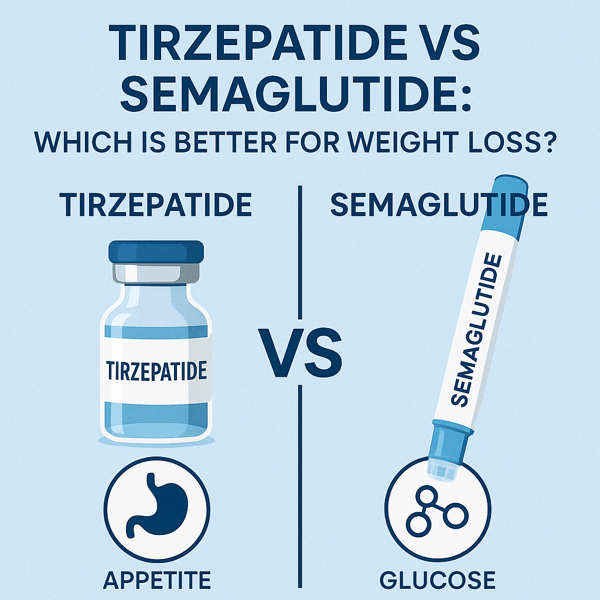
The GLP-1 Powerhouses: Semaglutide vs. Tirzepatide Explained
When it comes to managing type 2 diabetes and supporting weight loss, two medications have been making waves: semaglutide and tirzepatide. Both are part of a new class of drugs known as GLP-1 receptor agonists, but they have some key differences in how they work and their overall efficacy. In this blog, we’ll break down what these medications do, how they compare to each other, and what factors might help determine which one is right for you. How does semaglutide work? When you eat, GLP-1 is naturally released in your gut to help regulate insulin secretion, which lowers blood sugar. Semaglutide mimics this natural process, making sure insulin is released when needed and slowing stomach emptying to prevent sugar spikes after meals. It also reduces appetite, promotes feelings of fullness, and makes it easier to control food intake. How does tirzepatide work? This newer medication goes a step further […]
Filling The Gap During Compounded GLP-1 Weight Loss Medication Shortages
In recent years, medication shortages have become a significant challenge in healthcare, impacting a variety of treatments, including those for weight loss. When brand-name medications are unavailable due to manufacturing delays, supply chain disruptions, or other issues, patients may seek alternatives. One such alternative is compounded medications, which are prepared by pharmacists to meet individual patient needs. What is Compounding? Compounding refers to the process where pharmacists prepare customized medications to meet the specific needs of patients. This might involve altering the strength, dosage form (such as making a tablet into a liquid), or combining different ingredients to create a medication not commercially available. Compounding is typically done when a commercially available drug is unavailable, unsuitable for a patient, or needs to be modified to meet specific therapeutic needs. For weight loss, compounding can be used when certain FDA-approved medications are in short supply. Examples of weight loss medications that […]

Exercise & Diet Strategies for Compounded GLP-1 Medications
GLP-1 receptor agonists have revolutionized weight management by helping patients control appetite and regulate blood sugar. However, to achieve the best results, incorporating a structured diet and exercise regimen is essential. Whether you’re taking compounded GLP-1 medications like semaglutide or tirzepatide, optimizing your lifestyle choices can enhance weight loss, improve energy levels, and support long-term health. Diet Tips for Patients on GLP-1 Medications Since GLP-1 medications slow digestion and reduce hunger, focusing on nutrient-dense foods and mindful eating can maximize their benefits. Prioritize Protein – Lean proteins help maintain muscle mass and keep you full longer. Aim for: Chicken, turkey, and fish Greek yogurt and cottage cheese Plant-based sources like tofu, lentils, and quinoa Eat Fiber-Rich Foods – Fiber aids digestion and enhances satiety, reducing overeating. Include: Vegetables (leafy greens, broccoli, carrots) Whole grains (oats, quinoa, brown rice) Legumes (beans, chickpeas, lentils) Stay Hydrated – GLP-1 medications can slow stomach […]

How Long Should You Stay on Compounded GLP-1 Weight Loss Medications?
When it comes to weight loss, there’s no one-size-fits-all approach. For those considering or currently using compounded GLP-1 medications, the question of how long to stay on them is a common concern. GLP-1 (glucagon-like peptide-1) agonists, such as semaglutide and tirzepatide, have gained significant attention for their effectiveness in promoting weight loss. However, determining how long to remain on these medications requires careful consideration of several factors. Understanding Compounded GLP-1 Medications Before diving into duration, it’s important to understand what “compounded” GLP-1 medications are. Compounded medications are customized prescriptions made by licensed pharmacies to fit a patient’s specific needs. These medications may include adjustments to dosage, form (injection vs. oral), or even specific combinations of active ingredients. For weight loss, compounded GLP-1 medications work by mimicking the natural GLP-1 hormone that helps regulate blood sugar and appetite. They can reduce hunger, promote feelings of fullness, and slow gastric emptying, making […]

Compounded GLP-1 Medications: The Unexpected Key to Heart Health?
GLP-1 receptor agonists have become widely known for their ability to manage type 2 diabetes and promote weight loss. However, emerging studies reveal an additional benefit—reducing the risk of heart disease. With cardiovascular disease being the leading cause of death globally, understanding how these medications support heart health is increasingly important. The Connection Between GLP-1 Medications and Heart Health GLP-1 (glucagon-like peptide-1) receptor agonists work by mimicking the body’s natural hormones to regulate blood sugar, slow digestion, and reduce appetite. But beyond these metabolic effects, studies have demonstrated that these medications also: Lower blood pressure and cholesterol – GLP-1 medications improve lipid profiles by reducing LDL cholesterol and increasing HDL cholesterol, which helps reduce plaque buildup in the arteries. LDL cholesterol is known to have a negative impact on our health and HDL cholesterol is known to have a positive impact on our health. Reduce inflammation – Chronic inflammation is […]
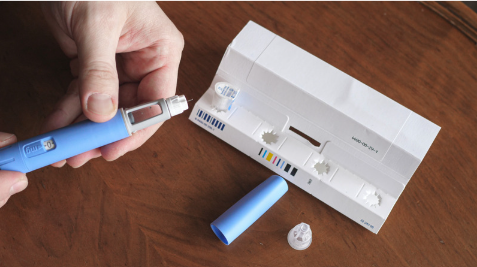
What Sets Compounded Tirzepatide & Semaglutide Apart From Name-Brand GLP-1 Drugs?
GLP-1 receptor agonists have become a cornerstone of modern weight loss treatments, offering significant benefits for individuals managing their weight and metabolic health. With rising demand, many patients are turning to compounded Tirzepatide and Semaglutide as alternatives to commercially available medications. But how do these options compare? Let’s take a closer look at their formulation, effectiveness, safety, and accessibility. Knowledge of GLP-1 Drugs GLP-1 (glucagon-like peptide-1) receptor agonists mimic the natural hormone that helps regulate appetite, blood sugar, and metabolism. They are very beneficial for managing diabetes and weight loss because they act by decreasing hunger, slowing stomach emptying, and increasing insulin secretion. The most well-known GLP-1 medications include: Semaglutide – branded as Weg**** for weight loss and Ozem**** for diabetes Tirzepatide – branded as Moun**** for diabetes and Zep**** for weight loss What Are Compounded GLP-1 Medications? Name-Brand GLP-1s (Weg****, Moun****) Regulation: FDA-approved, clinically tested Formulation: Standardized, patented formulations […]
Knowing Compounded Semaglutide and Tirzepatide: Essential Information for Patients
As GLP-1 receptor agonists such as tirzepatide and semaglutide become more popular for managing diabetes and weight loss, many patients are using compounded versions because of issues with availability and cost. Despite the potential advantages of these drugs, it is critical to comprehend how they interact with other medications to guarantee a safe and efficient course of treatment. What Are Compounded Semaglutide & Tirzepatide? When brand-name medications are either too expensive or unavailable, specialty pharmacies create customized formulations known as “compounded medications.” Compounded semaglutide and tirzepatide work similarly to their FDA-approved equivalents, they help control blood sugar, slow stomach emptying, and limit appetite. What Are Compounded GLP-1 Medications? Compound GLP-1 receptor agonists have the same potential to interact with other medications as any other medication, which could change how well they work or increase their side effects. Here are some key interactions to be aware of: 1. Insulin & Other […]

Understanding GLP-1 Medications and Pregnancy Risks
If you’re taking compounded Semaglutide or Tirzepatide for weight management or diabetes, it’s essential to understand how these GLP-1 receptor agonists may affect pregnancy and fetal development. Are GLP-1 Medications Safe During Pregnancy? Currently, Semaglutide and Tirzepatide are not recommended for use during pregnancy. Studies on animals have shown potential risks to fetal development, and there is limited human data to confirm their safety. Because of these concerns, the FDA has classified these medications as Pregnancy Category C, meaning potential risks exist, and they should only be used if the benefits outweigh the risks. Potential Risks and Side Effects GLP-1 medications work by slowing digestion, regulating blood sugar, and suppressing appetite. While effective for weight loss and diabetes control, these effects can pose risks during pregnancy: Possible birth defects – Animal studies indicate potential risks to fetal development. Nutrient deficiencies – Appetite suppression could lead to reduced calorie and nutrient […]

Understanding GLP-1 Medications: Insights from a Patient Interview
GLP-1 receptor agonists like semaglutide have become a game-changer in weight management, particularly for individuals struggling with conditions like PCOS (polycystic ovary syndrome) and insulin resistance. To provide real-world insights into the experience of using GLP-1 medications, we interviewed a patient who has been taking compounded Semaglutide. A Patient’s Journey with GLP-1 Medications What Led Them to Try GLP-1 Medications? Our patient turned to GLP-1 medications after other weight loss methods failed, including dietary changes, increased physical activity, and other prescribed treatments. They also have Polycystic Ovary Syndrome (PCOS), a condition known to cause insulin resistance, disrupt metabolic function, and make weight loss particularly challenging. Despite their best efforts, they struggled with persistent weight gain, cravings, and difficulty maintaining results. After starting GLP-1 therapy under medical supervision, they noticed improvements not only in weight management but also in appetite control, blood sugar regulation, and overall well-being. This treatment provided a […]

Navigating Weight with GLP-1 Medications: Conquering Weight Gain & Loss Plateaus
Losing weight and keeping it off can be a challenging journey for many. GLP-1 receptor agonists, such as Semaglutide and Tirzepatide, have been game-changers in weight management. These medications, originally developed for managing type 2 diabetes, are now widely recognized for their role in aiding weight loss. But what happens if you’re struggling to see results or maintain your progress? Let’s explore how these medications work and some actionable tips to help you stay on track. How GLP-1 Medications Work GLP-1 receptor agonists mimic a natural hormone in your body that… Regulates appetite by making you feel fuller for longer. Slows digestion, helping reduce overeating. Improves blood sugar control, which can also affect hunger levels. When used alongside lifestyle changes like a healthy diet and exercise, these medications can lead to significant weight loss. However, results vary from person to person, and some individuals may face challenges in reaching or […]

The Impact of Diet on Semaglutide Therapy
Optimizing Diet for Maximum Health Benefits Starting Semaglutide for weight loss and want to set yourself up for success? The first step is to consider your diet (and exercise). Although Semaglutide is very effective at triggering weight loss, it is possible for a poor diet to slow down those results. A balanced diet is crucial for anyone to achieve maximum weight loss results. Not sure where to get started? Follow along to hear about how you can improve your diet today! Table of Contents Can Diet Affect the Side Effects Associated with Semaglutide? How to Improve Your Diet While Taking Semaglutide What Foods Can Halt Your Weight Loss Goals on Semaglutide? Conclusion Additional Resources Can Diet Affect the Side Effects Associated with Semaglutide? When you first get prescribed Semaglutide, it is important to consider possible side effects of the medication. The most common side effects are associated with stomach problems, […]
Supplements to Avoid When Taking GLP-1 Medications
GLP-1 medications, such as Semaglutide and Tirzepatide , have shown great promise in assisting with weight management and blood sugar control. However, it is essential to understand how supplements can interact with these medications. Certain over-the-counter products marketed for weight loss may do more harm than good—and in some cases, they may be dangerous. Below, we’ve outlined supplements to avoid when using GLP-1 medications. 1. Garcinia Cambogia Garcinia Cambogia, a supplement derived from a tropical fruit, is frequently promoted for its potential to suppress appetite and prevent fat formation. However, its actual impact on weight loss is minimal. The FDA advises against its use due to reports of severe side effects, including an elevated risk of liver failure. Combining Garcinia Cambogia with GLP-1 medications may increase liver strain, making this supplement especially dangerous. 2. Ephedra/Ephedra Alkaloids Ephedra and its alkaloids were once popular for promoting thermogenesis (increased calorie burning) and […]
Enhancing GLP-1 Medication Success with Supplement Support
If you are using GLP-1 medications like prefilled syringes or vials, proper preparation is essential for a smooth journey. Whether traveling domestically or internationally, following these tips will help ensure your medication remains safe and accessible throughout your trip. Supplements: The Perfect Partners for GLP-1 Medications Supplements aren’t magic pills but can provide significant support when combined with a balanced lifestyle. Here are some standout options and their mechanisms: Beneficial Herbs Green Tea: Known to boost metabolism and facilitate fat burning, green tea’s caffeine content may also provide energy and reduce hunger, making it an excellent addition to your daily routine. Ginger: This powerhouse herb aids digestion, curbs cravings, and enhances metabolism to promote fat loss. Cinnamon: Beyond its delicious flavor, cinnamon can help reduce hunger and increase insulin sensitivity—key factors for weight and glucose management. Turmeric: Packed with curcumin, turmeric supports digestion, reduces body fat, and improves insulin sensitivity. […]

On the Go with GLP-1: Travel Tips to Help You Prepare
If you are using GLP-1 medications like prefilled syringes or vials, proper preparation is essential for a smooth journey. Whether traveling domestically or internationally, following these tips will help ensure your medication remains safe and accessible throughout your trip. Table of Contents Obtain a Letter of Medical Necessity Ensure an Adequate Supply Keep Medications Properly Labeled Carry Medications in Your Carry-On Maintain Ideal Storage Temperatures Research Destination Regulations Schedule a Pre-Travel Appointment Additional Resources 1. Obtain a Letter of Medical Necessity When traveling via public transportation, overseas, or abroad, some entities may require a letter of medical necessity. This document verifies the purpose and legitimacy of your medication. How to Get It: Contact your prescribing provider to request this form. Ensure the letter includes details about your condition and the prescribed medication. Submission Tips: Check with your airline or destination’s customs office to confirm if this document needs to be […]
Natural Strategies to Boost GLP-1: Enhancing Metabolic Wellness
Hearing about GLP-1 medications everywhere and don’t know what they are? You’re not alone! Glucagon-like peptide, or GLP-1, is a hormone made in the body that has many metabolic processes. GLP-1 receptor agonists are a group of medications that mimic the natural GLP-1 hormone that is released in our body after consuming a meal. We are constantly learning more about its role in weight loss and the results have been incredible! Want to learn about how to increase the GLP-1 levels in your body in ways other than taking medications? Follow along to discover how to increase GLP-1 levels in your body naturally! Table of Contents GLP-1 Hormone Increase GLP-1 Levels Naturally in Your Body Moderation is Key Conclusion Additional Sources GLP-1 Hormone GLP-1 is most commonly known for stimulating insulin release after eating a meal. Insulin is a hormone that helps the body regulate blood sugar levels by lowering […]

Oral Weight Loss Formulations: Exploring Compounded Semaglutide
Interested in weight loss medications that don’t require the use of a needle? Look no further! Skippack Pharmacy is now offering compounded Semaglutide oral capsules, Semaglutide sublingual oral solution, and Semaglutide with B12 (cyanocobalamin) oral troches. Explore these new options with us and learn which option might work best for you! Table of Contents Understanding the Different Semaglutide Oral Formulations Exploring Differences Compared to Injectable Semaglutide Conclusion Additional Sources Understanding the Different Semaglutide Oral Formulations Semaglutide oral capsules contain powdered Semaglutide inside of the hard capsule. They are taken by mouth with water and broken down by the body. They are a great option for people who do not want to use injectables. Capsules should be taken every day as instructed by your doctor. They should be taken in the morning, before your first meal of the day, with no more than 4oz of water. You can eat, drink and […]

Understanding GLP-1 Agonists and Alcohol Use: What You Need to Know
In the realm of diabetes and weight management treatments, GLP-1 agonists have emerged as a promising class of medications. These drugs, including Liraglutide, Semaglutide, and Dulaglutide, are designed to mimic the action of the natural hormone GLP-1 (glucagon-like peptide-1). While they offer significant benefits in controlling blood sugar levels and aiding weight loss, it’s essential to understand how lifestyle choices, particularly alcohol consumption, can interact with these medications. Table of Contents: What Are GLP-1 Agonists? Alcohol and GLP-1 Agonists: Potential Interactions Guidelines for Alcohol Use with GLP-1 Agonists Conclusion References What Are GLP-1 Agonists? GLP-1 agonists work by mimicking the action of the GLP-1 hormone, which is involved in the regulation of appetite and insulin secretion. They have several beneficial effects, including: Enhancing insulin secretion: They stimulate the pancreas to release insulin in response to meals, helping to control blood sugar levels. Suppressing glucagon: By reducing the amount of […]
Addiction: A Disease, Not a Choice—Breaking the Stigma and Embracing Support
Addiction: A Disease, Not a Choice—Breaking the Stigma and Embracing Support Addiction is a complex, chronic disease characterized by compulsive substance use despite harmful consequences. It is often misunderstood as a moral failing or a matter of willpower. However, addiction is fundamentally a disease, much like diabetes or heart disease, and it requires compassion, understanding, and support for those affected. This blog explores why addiction is a disease, the importance of supporting individuals struggling with addiction, and how naloxone can play a crucial role in saving lives. Understanding Addiction as a Disease Addiction is recognized by leading medical and mental health organizations as a disease of the brain. It involves changes to brain structure and function that affect decision-making, impulse control, and the ability to experience pleasure. Key points include: Brain Chemistry and Structure: Addiction alters the brain’s reward system, making it difficult for individuals to experience pleasure from everyday […]
The Opioid Epidemic
The Opioid Epidemic The opioid epidemic is a multifaceted public health crisis that has been unfolding over the past several decades, particularly in the United States. It encompasses a dramatic increase in the use of both prescription and non-prescription opioid drugs, leading to widespread addiction, overdose deaths, and significant social and economic impacts. Historical Context The roots of the opioid epidemic can be traced back to the late 1990s when pharmaceutical companies reassured the medical community that patients would not become addicted to prescription opioid pain relievers. This led to a surge in the prescribing of these medications. However, as it became evident that these drugs were indeed highly addictive, rates of opioid misuse began to climb. Prescription Opioids Prescription opioids such as oxycodone, hydrocodone, and morphine are commonly used to treat moderate to severe pain. While effective for pain management, these medications have a high […]
Understanding Opioids: Their Uses, Risks, and the Role of Naloxone in Combating the Opioid Epidemic
Understanding Opioids: Their Uses, Risks, and the Role of Naloxone in Combating the Opioid Epidemic Opioids are a class of drugs that include both legal prescription pain relievers and illegal substances. While they can be effective for pain management, their potential for misuse and addiction has led to a public health crisis known as the opioid epidemic. This blog explores what opioids are, their uses, the dangers of overdose, and how naloxone is playing a crucial role in saving lives. What Are Opioids? Opioids are a group of drugs that interact with opioid receptors in the brain and body to reduce the perception of pain. They can be divided into three main categories: Natural Opioids: Derived from the opium poppy plant, examples include morphine and codeine. Semi-Synthetic Opioids: Created in laboratories from natural opioids, examples include oxycodone (OxyContin), hydrocodone (Vicodin), and heroin. Synthetic Opioids: Fully synthesized in […]

Naloxone: A Lifesaver in the Opioid Epidemic
Naloxone: A Lifesaver in the Opioid Epidemic Introduction: Understanding the Crisis The United States is currently grappling with an unprecedented opioid epidemic that has profoundly affected individuals, families, and communities across the nation. Over the past two decades, opioid overdose deaths have risen dramatically, reaching alarming levels and prompting widespread concern among public health officials, policymakers, and the general public. The crisis began with the overprescription of opioid pain relievers in the 1990s, leading to widespread misuse and addiction. As regulations tightened on prescription opioids, many individuals turned to illicit opioids such as heroin and, more recently, fentanyl, a synthetic opioid that is significantly more potent and has contributed to a surge in overdose deaths. According to the Centers for Disease Control and Prevention (CDC), opioids were involved in nearly 70% of all drug overdose deaths in the United States in recent years, with […]

Embark on a Healthy Journey: Top 10 Health Tips to Kickstart the New Year
Embark on a Healthy Journey: Top 10 Health Tips to Kickstart the New Year As the calendar turns over and a new year dawns upon us, it’s the perfect time to reflect on our health goals and make positive changes for a healthier and happier life ahead. To help you start the year on the right foot, we’ve compiled a list of the top 10 health tips that will guide you towards a year filled with wellness, vitality, and positivity. Prioritize Balanced Nutrition: Eating a variety of nutrient-rich foods provides your body with the essential vitamins, minerals, and antioxidants it needs to function optimally. Try to include sources of protein like beef, poultry, fish, beans, and nuts. Incorporating whole grains like brown rice and quinoa can give you sustained energy, while healthy fats from avocados and olive oil support heart health. Stay Hydrated: Water not only quenches […]

The Power of Hygiene: A Guide to Effective Hand Washing
The Power of Hygiene: A Guide to Effective Hand Washing In the fast-paced world we live in, it’s easy to overlook the significance of something as simple as hand washing. However, the practice of proper hand hygiene plays a crucial role in maintaining our health and preventing the spread of infections. In this blog post, we’ll delve into the importance of hand washing, the proper technique, and how it relates to maintaining a healthy lifestyle. The Basics of Hand Hygiene Our hands are in constant contact with various surfaces, objects, and even other people throughout the day. This makes them prime carriers of germs, bacteria, and viruses that can lead to illnesses. Hand hygiene is a fundamental measure to prevent the transmission of infections. By washing our hands regularly and correctly, we can significantly reduce the risk of getting sick and also prevent the spread of illnesses […]

Navigating the Cough and Common Cold: Your Pharmacy Guide to Effective Management
Navigating the Cough and Common Cold: Your Pharmacy Guide to Effective Management The arrival of the common cold and the persistent cough that often accompanies it is an unwelcome guest in many households. While these ailments might seem like minor inconveniences, they can disrupt our daily lives and leave us searching for relief. In this blog post, we’ll dive into the world of coughs and colds, exploring their causes, symptoms, and effective strategies for managing them with the help of your local pharmacy. Understanding the Common Cold and Cough The common cold is a viral infection that primarily affects the upper respiratory system. It’s caused by different strains of viruses, most commonly rhinoviruses. Symptoms of a cold can include: Sneezing Runny or stuffy nose Sore throat Cough Fatigue Mild body aches The cough that often accompanies a cold can be dry or produce mucus. It’s a […]

Empowering Your Health Journey: The Significance of Self-Testing
Empowering Your Health Journey: The Significance of Self-Testing In a world that’s increasingly focused on personal well-being, self-testing has emerged as a powerful tool for individuals to actively participate in their health management. Monitoring vital parameters at home not only offers convenience but also promotes early detection of potential health issues. In this blog post, we’ll explore the importance of self-testing and delve into the benefits of monitoring blood pressure and heart rate, temperature, pulse oximetry, and blood glucose levels from the comfort of your own space. Monitoring Blood Pressure and Heart Rate Maintaining a healthy heart is a cornerstone of overall well-being. Blood pressure and heart rate are critical indicators of cardiovascular health. Regular self-testing using blood pressure monitors and heart rate trackers empowers you to track fluctuations and trends, allowing for better control and prevention. By keeping tabs on your blood pressure and heart rate, you […]
Strengthening Your Shield: Effective Ways to Boost Immunity
In the ever-changing landscape of health and wellness, a robust immune system serves as your body’s frontline defense against infections and illnesses. While no magic pill can instantly enhance your immune response, there are several science-backed strategies you can adopt to give your immune system the support it needs. Let’s delve into these strategies and explore ways to naturally boost your immunity. Nutrient-Rich Diet: A well-balanced diet rich in vitamins, minerals, and antioxidants is the cornerstone of a strong immune system. Incorporate a variety of colorful fruits and vegetables to ensure you’re getting a range of essential nutrients. Vitamin C (found in citrus fruits), vitamin E (in nuts and seeds), and zinc (in lean meats and legumes) play crucial roles in immune function. Adequate Sleep: Prioritize quality sleep as it plays a vital role in immune health. During sleep, your body repairs and regenerates, and your immune system […]

Sunscreen Dos/Donts
We’re finally reaching the half-way point in the year and you know what that means. The sun is shining, the boardwalks are crowded, Wawa’s hoagiefest is looming, and the summer is here! Before you pack your bags for this weekend’s trip out to the shore (whether you prefer the Jersey, Delaware, or Maryland beaches), take a few moments to read up on some important sunscreen tips. We know you’ll have time for it – the I-95 construction has everyone a little more delayed this summer. What is Sunscreen? Sunscreen is an active ingredient in creams, lotions, or sprays to apply on and protect skin from the harsh, ultraviolet (UV) rays of the sun. Intense UV exposure can increase a person’s likelihood of developing skin cancer – as a result, sunscreen is essential, especially when it’s bright and sunny outside. Contrary to popular belief, you can even get sunburns […]

Addressing the Weight Loss Injectable Shortage: Exploring Compounded Semaglutide and Tirzepatide
The introduction of novel weight loss medications, semaglutide and tirzepatide, have emerged as potent therapies offering hope to individuals striving to achieve healthier lifestyles. However, continued shortages of these drugs have raised concerns among patients and healthcare providers alike. In this blog post, we’ll explore the reasons behind the semaglutide and tirzepatide shortage and how compounded formulations of these medications can offer a promising avenue for weight loss. Understanding the Barrier to Receiving Weight Loss Injectables Our community members who are prescribed weight loss injectables containing the active ingredients semaglutide and tirzepatide have reported difficulties with consistently receiving their prescription. The reason for this can be attributed to several factors: Increased Demand: Medications containing semaglutide and tirzepatide are currently listed on the FDA shortage list. This is due to the growing awareness of the effectiveness of these drugs for weight loss which is seen in the media. Supply Chain Disruptions: […]
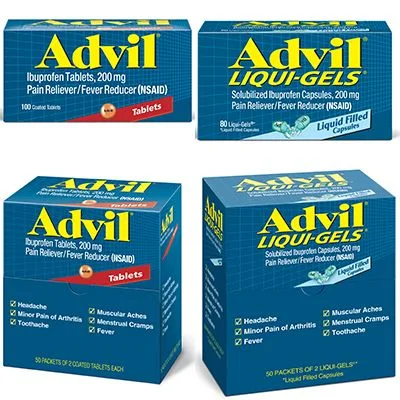
Exploring Over-the-Counter Pain Medications: A Comprehensive Guide
Exploring Over-the-Counter Pain Medications: A Comprehensive Guide Pain is an inevitable part of life, and when it strikes, many of us turn to over-the-counter (OTC) pain medications for relief. These readily available drugs offer convenience and can effectively alleviate various types of pain. In this blog post, we’ll delve into the world of common OTC pain medications, their types, uses, benefits, and potential risks. Types of OTC Pain Medications Acetaminophen (Tylenol): Acetaminophen is a widely used OTC pain reliever that is effective for reducing mild to moderate pain and fever. It’s often recommended for headaches, muscle aches, and pain related to osteoarthritis. Unlike other pain relievers, acetaminophen doesn’t possess strong anti-inflammatory properties, making it suitable for those who can’t tolerate NSAIDs (non-steroidal anti-inflammatory drugs) due to stomach issues. Non-Steroidal Anti-Inflammatory Drugs (NSAIDs): NSAIDs, such as ibuprofen (Advil) and naproxen (Aleve), are commonly used to treat pain and inflammation. They […]

Unmasking the Buzz: Navigating Caffeine, Energy Drinks, and Coffee for a Balanced Life
Unmasking the Buzz: Navigating Caffeine, Energy Drinks, and Coffee for a Balanced Life In today’s fast-paced world, the quest for energy and alertness often leads us to caffeine, a stimulant that powers us through our busy lives. While caffeine is available in various forms, from energy drinks to coffee, it’s crucial to understand its effects on our bodies and make informed choices. In this blog post, we unravel the world of caffeine, explore the allure of energy drinks and coffee, and discover the path to a balanced consumption. The Caffeine Chronicles: Caffeine, a natural compound found in certain plants, is celebrated for its ability to boost energy, focus, and alertness. Its mechanisms involve blocking the action of adenosine, a neurotransmitter that promotes sleepiness. By doing so, caffeine lends us a temporary surge in wakefulness, making it a staple in our modern-day routines. Energy Drinks: A Jolt of Intensity: […]

Embracing the Night: Understanding the Significance of Sleep and the Struggle Against Insomnia
Embracing the Night: Understanding the Significance of Sleep and the Struggle Against Insomnia In the midst of our fast-paced lives, the true importance of sleep often remains overshadowed. Yet, the role of quality sleep cannot be underestimated. Conversely, insomnia, the relentless challenge of sleeplessness, affects numerous individuals, disrupting the rest they desperately need. This blog post delves into the deep-rooted significance of sleep and the battle against the persistent foe known as insomnia. Understanding the Vital Role of Sleep: Sleep is more than just a state of rest; it’s a complex process that rejuvenates our physical, mental, and emotional well-being. While we sleep, our bodies repair tissues, consolidate memories, and regulate hormones. Quality sleep enhances cognitive abilities, decision-making, and emotional resilience. It’s a cornerstone of overall health that nourishes both our bodies and minds. Consequences of Sleep Deprivation: When sleep is compromised, a cascade of negative effects follows […]