- Men's Health
-
by Skippack Pharmacy
Hair Loss: How Compounded Medications May Help
He first noticed it in the shower—more hair than usual washing down the drain. At first, he thought it was temporary. But as the months passed, his hair appeared thinner, and the increased shedding continued.
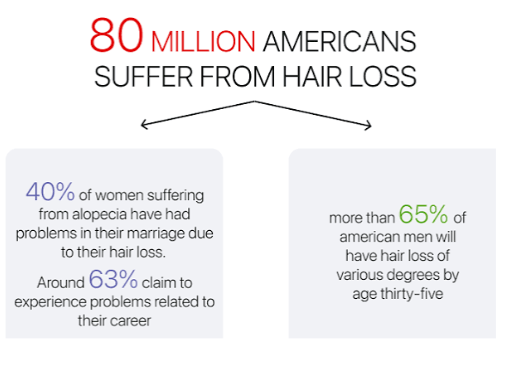
Hair loss can be frustrating, but it is also common. Depending on what is causing it, treatment options may be available.
Why Does Hair Loss Happen?
Hair loss can have many possible causes, including:
- Genetics and aging
- Hormonal changes
- Physical or emotional stress
- Illness or surgery
- Nutritional deficiencies
- Certain medications
- Thyroid disease or other medical conditions
- Autoimmune conditions
- Hair-care practices that damage the hair or scalp
Because different types of hair loss require different treatments, it is important to speak with a qualified healthcare provider before starting treatment. Sudden hair loss, bald patches, scalp pain, redness, scaling, or an unexplained increase shedding should be evaluated promptly.
What Are Compounded Hair-Loss Medications?
A compounded medication is prepared by a compounding pharmacy for an individual patient based on a valid prescription.
Depending on the prescription and the patient’s needs, compounding may allow a provider to customize:
- Active ingredients
- Medication strength
- Dosage form
- Method of application
- Combination of ingredients
A compounded medication may be considered when an FDA-approved, commercially available product does not adequately meet a patient’s specific clinical needs.
Ingredients That May Be Used in Hair-Loss Treatment
The ingredients selected depend on the type of hair loss, the patient’s medical history, and the provider’s treatment plan.
Minoxidil
Minoxidil may help reduce hair loss and stimulate hair growth in certain patients. Commercially available topical minoxidil is offered without a prescription in specific strengths. A provider may prescribe a different strength or dosage form when clinically appropriate.
Results are not immediate. Depending on the patient and the formulation, several months of consistent use may be needed before improvement becomes noticeable.
Finasteride and Dutasteride
Finasteride and dutasteride reduce the conversion of testosterone to dihydrotestosterone, commonly called DHT. DHT contributes to androgenetic alopecia, also known as male or female-pattern hair loss in individuals.
Finasteride is FDA-approved in an oral formulation for male-pattern hair loss. Dutasteride is not FDA-approved specifically for hair loss but may be prescribed off-label when a provider determines that it is appropriate.
Spironolactone
Spironolactone is an oral prescription that treats female pattern hair loss. It binds to and blocks androgen receptors, preventing DHT from shrinking hair follicles. It also lowers overall testosterone.
Although females may use it, males usually are placed on a different medication as it could lead to a non safe level of testosterone decrease for men.
These medications are not suitable for everyone. They may cause significant adverse effects and present pregnancy-related risks. A qualified healthcare provider must evaluate the patient’s diagnosis, medications, medical history, and individual risk factors before prescribing either medication.
Other Ingredients
Some compounded preparations may contain additional prescription ingredients based on the patient’s diagnosis, medical history, treatment goals, and the prescriber’s clinical judgment.
Not every ingredient or combination is appropriate for every patient.
Potential Benefits of a Customized Formula
When clinically appropriate, a compounded hair-loss prescription may allow:
- Multiple prescribed ingredients to be combined into one preparation
- A customized medication strength
- A dosage form that better meets the patient’s needs
- An alternative when a commercially available formulation cannot be used
Compounding does not guarantee better results. The appropriate treatment depends on the cause of the hair loss and the individual patient.
Hair-loss treatment also requires patience and consistency. It may take several months before a patient notices improvement. Some patients may experience a temporary increase in shedding after beginning certain treatments. Patients should discuss continued or concerning shedding with their healthcare provider.
Possible Side Effects
Side effects vary depending on the medication, strength, dosage form, and method of administration. They may include:
- Scalp dryness, itching, redness, or irritation
- Flaking
- Unwanted facial or body hair growth
- Headache
- Dizziness or lightheadedness
- Changes in blood pressure or heart rate
- Sexual, reproductive, breast, or other hormone-related effects
This is not a complete list of possible side effects. Patients should use their medication exactly as directed and contact their prescriber or pharmacist if they experience concerning or unexpected symptoms. Emergency symptoms should receive immediate medical attention.
Is a Compounded Hair-Loss Treatment Right for You?
A compounded hair-loss medication may be considered for a patient who:
- Has a specific clinical need that is not met by a commercially available product
- Requires a customized strength or dosage form
- Has difficulty using a particular commercially available formulation
- Has been prescribed multiple ingredients that may appropriately be combined
A healthcare provider must first identify the likely cause of the hair loss and determine whether prescription treatment—and specifically a compounded preparation—is appropriate.
Talk With Skippack Pharmacy
Skippack Pharmacy works with patients and prescribers to prepare patient-specific compounded medications pursuant to valid prescriptions.
Interested in learning more? Call Skippack Pharmacy at 610-584-6979 or speak with your healthcare provider about which hair-loss treatment options may be appropriate for you.
Written By:
Resources:
- Everything You Need to Know About Hair Loss
- Hair Loss
- What Is a Compounding Pharmacy?
- Hair Loss Treatment Side Effects: Whats Normal and Whats Not
- Spiranolactone (oral routine)
This material is intended for educational purposes only and does not replace diagnosis, treatment, or advice from a qualified healthcare professional. Compounded drugs are not FDA-approved. FDA does not review compounded drugs for safety, effectiveness, or quality before they are marketed. A compounded medication requires a valid prescription and should be used only as directed for the patient for whom it was prescribed. Individual results vary, and no treatment outcome is guaranteed.