- Weight Loss
-
by Skippack Pharmacy
Patient Story
A patient had been struggling with her weight for years when her doctor prescribed a GLP-1 medication. She was excited about the potential benefits, but within days of her first dose, she experienced waves of nausea that made eating feel impossible. After skipping breakfast one morning, the nausea only got worse. She felt trapped in a cycle, too nauseous to eat, but the nausea worsened when she didn’t eat.
After consulting with her healthcare team, the patient learned that what she ate, and how she ate, could make all the difference. By making simple changes to her diet, she was able to continue her medication successfully and achieve her health goals. Here’s what she learned, and what you should know too.
Understanding GLP-1 Side Effects
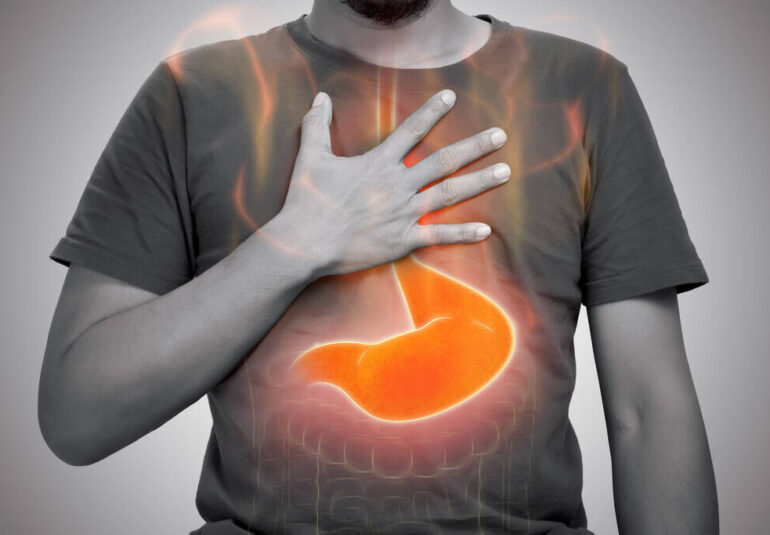
GLP-1 medications work by slowing down how quickly food leaves your stomach and by affecting areas of your brain that control appetite and nausea. While these effects help with weight loss and blood sugar control, they can also cause uncomfortable gastrointestinal symptoms, especially when you first start the medication or increase your dose.
The most common side effects include nausea, vomiting, diarrhea, constipation, and abdominal discomfort. The good news? Most of these symptoms are temporary and can be significantly reduced by choosing the right foods and eating habits.
Foods to Avoid or Limit
High-Fat Foods
Fatty foods are the number one culprit for worsening nausea and digestive discomfort on GLP-1 medications. Because these medications already slow gastric emptying, adding high-fat foods can make your stomach feel even fuller and more uncomfortable.
Avoid or limit:
- Fried foods (french fries, fried chicken, donuts)
- Fatty cuts of red meat
- Processed meats (bacon, sausage, hot dogs)
- Heavy cream sauces and gravies
- Full-fat dairy products in large amounts
- Fast food burgers and pizza
- Pastries and baked goods high in butter or oil
Spicy Foods
Spicy foods can irritate your digestive system and worsen nausea, especially during the first few days after starting your medication or increasing your dose.
Limit:
- Hot peppers and hot sauces
- Heavily spiced curries
- Spicy Mexican or Thai dishes
- Foods with excessive black pepper or cayenne
Refined Carbohydrates and Sugary Foods
These foods provide little nutritional value and can worsen blood sugar fluctuations and digestive discomfort.
Avoid:
- Sugar-sweetened beverages (soda, sweet tea, energy drinks)
- Candy and sweets
- White bread, white rice, and refined pasta
- Sugary cereals
- Cookies, cakes, and pastries
- Processed snack foods
Alcohol
Alcohol can significantly worsen nausea and gastroesophageal reflux while on GLP-1 therapy. It should be minimized or avoided, especially during dose adjustments.
Carbonated Beverages
Carbonated drinks can increase bloating and discomfort. Stick to still water, herbal teas, or other non-carbonated beverages.
High-Fiber Foods (Initially)
While fiber is generally healthy, during the first few days of treatment or dose increases, very high-fiber foods may worsen symptoms. Once you’ve adjusted to your dose, gradually reintroduce fiber-rich foods to help with constipation.
What to Eat Instead
Focus on nutrient-dense, easily digestible foods:
Choose:
- Lean proteins: chicken breast, turkey, fish, eggs
- Fruits: berries, apples, bananas, citrus fruits
- Vegetables: leafy greens, carrots, tomatoes, squash
- Whole grains: oats, quinoa, brown rice (in moderation)
- Low-fat dairy: yogurt, milk, cheese
- Nuts and seeds in small portions
- Healthy plant oils: olive oil, avocado oil
Eating Habits That Help
It’s not just what you eat—it’s how you eat:
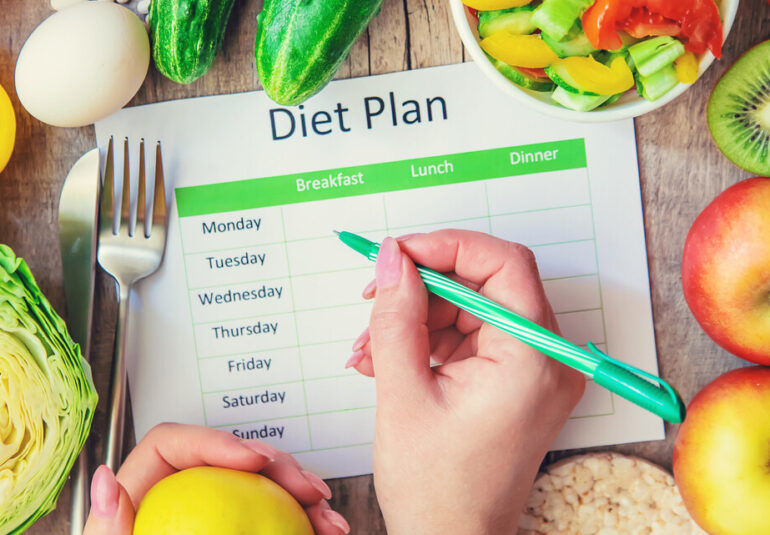
- Eat smaller, more frequent meals: Instead of three large meals, try eating small amounts every 3-4 hours. This prevents your stomach from becoming too full.
- Eat slowly and mindfully: Take your time with meals. Put your fork down between bites and stop eating when you feel comfortably satisfied, not stuffed.
- Don’t skip meals: Skipping meals, especially breakfast, can worsen nausea. Even if you’re not hungry, try to eat something small.
- Stay hydrated: Drink plenty of water throughout the day—aim for more than 2-3 liters daily. Dehydration can worsen side effects and lead to more serious complications.
- Avoid lying down after eating: Wait 2-3 hours after meals before lying down to reduce reflux symptoms.
- Try ginger or peppermint tea: These can help soothe nausea naturally.
When to Contact Your Healthcare Provider
While dietary changes can significantly reduce side effects, contact your doctor if you experience:
- Severe or persistent nausea and vomiting
- Inability to keep down fluids
- Signs of dehydration (dizziness, dark urine, rapid heartbeat)
- Severe abdominal pain
- Prolonged constipation or diarrhea
The Bottom Line
Like the patient example used, many people successfully manage GLP-1 side effects by making smart food choices. By avoiding high-fat, spicy, and heavily processed foods, eating smaller meals more frequently, and staying well-hydrated, you can minimize discomfort and maximize the benefits of your medication.
Remember, side effects are usually most noticeable when starting the medication or increasing doses, and they typically improve with time. Work closely with your healthcare team to find the eating pattern that works best for you.
By Dr. Efrain Santiago PharmD, MBA
Disclaimer
This information is for educational and informational purposes only and is not intended as medical advice, diagnosis, or treatment. The content provided should not replace professional medical advice from your healthcare provider. Always consult with your doctor, pharmacist, or other qualified healthcare professional before making any changes to your medication regimen, diet, or lifestyle, especially if you are taking GLP-1 medications or have any medical conditions. Individual responses to medications and dietary changes vary, and what works for one person may not be appropriate for another. If you experience severe or concerning symptoms while taking GLP-1 medications, contact your healthcare provider immediately or seek emergency medical care.
References:
- Management of Hyperglycemia in Type 2 Diabetes, 2022. A Consensus Report by the American Diabetes Association (ADA) and the European Association for the Study of Diabetes (EASD). Diabetes Care. 2022. Davies MJ, Aroda VR, Collins BS, et al.
- Nutritional Priorities to Support GLP-1 Therapy for Obesity: A Joint Advisory From the American College of Lifestyle Medicine, the American Society for Nutrition, the Obesity Medicine Association, and the Obesity Society. The American Journal of Clinical Nutrition. 2025. Mozaffarian D, Agarwal M, Aggarwal M, et al.
- GLP1 and GIP Receptor Agonists: Effects on the Gastrointestinal Tract and Management Strategies for Primary Care Physicians. Mayo Clinic Proceedings. 2025. Saha B, Kamalumpundi V, Codipilly DC.
- Integrating Diet and Physical Activity When Prescribing GLP-1s—Lifestyle Factors Remain Crucial. JAMA Internal Medicine. 2025. Mehrtash F, Dushay J, Manson JE.
- Managing Adverse Effects of Incretin-Based Medications for Obesity. The Journal of the American Medical Association. 2025. Kushner RF, Almandoz JP, Rubino