- Skippack Metabolic Health
-
by Skippack Pharmacy
Low Appetite on Weight Loss Medications: Every Bite Matters
Why am I Not Hungry on a GLP-1?
If you’ve started a GLP-1 medication and suddenly realize it’s 3 PM and you still haven’t felt hungry, you’re not alone. One of the most common things patients notice is a dramatic drop in appetite, and while that’s part of how the medication works, it also means every bite matters. GLP-1 medications mimic a natural hormone made in the body that helps regulate appetite, blood sugar, and digestion, so when taking extra in the form of a compounded GLP-1, you will notice that you may feel fuller for longer than you are used to and do not want to eat as much. This is part of how the medication works to help you lose weight. By consuming fewer calories, the body begins using stored energy, primarily fat stores, for weight loss. This is why prioritizing protein becomes especially important to help preserve lean muscle.
On Low Appetite Days, Focus on Quality Not Quantity
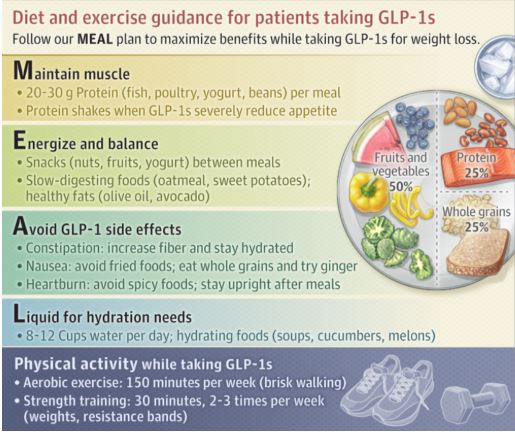
Next, because you are eating less, it is very important to make sure that what you do eat is nutritionally dense, meaning it has enough vitamins, protein, and calories to help maintain muscle and keep you feeling your best. The Journal of the American Medical Association (JAMA) came up with the infographic at the beginning of the article with tips to help you get the most benefit out of your GLP-1. Often, it is recommended to eat smaller meals more often. For example, if you usually have three larger meals per day, it is recommended to try six smaller meals throughout the day. Additionally, try limiting refined sugars or carbohydrates as in sugary drinks (sodas and juices), candy, fried foods, white bread, and pastries as much as possible. These tips will also help minimize any pesky side effects of nausea, diarrhea, or constipation that you might be experiencing.
The Best Nutrient Dense Foods to Prioritize
The best foods to focus on include protein, fiber, whole grains, and healthy fats. To increase protein intake, aim for 20–30 grams of lean protein per meal.
Great examples include:
- tofu
- chicken
- eggs
- fish
- beans
- protein shakes
- chickpeas
For fiber, fruits and vegetables, especially leafy greens, are excellent choices to support digestion while naturally providing antioxidants and vitamins. Whole grains help you stay fuller longer because they digest more slowly than sugary foods.
Great options include:
- whole wheat bread
- brown rice
- oatmeal
- quinoa
- farro
Healthy fats are equally important and can come from:
- olive oil
- avocados
- nuts
- salmon
- eggs
By combining these food groups, you can help maintain muscle, lose fat, and stay satisfied.
Simple Meal Ideas When You’re Not Hungry
You now know what foods to prioritize, but how do you do that? You are not alone if you walk down the aisles in the grocery store forgetting every food you have ever enjoyed. Here is a list of quick, easy, and affordable meals for when you need to eat but do not feel like it.
- Greek yogurt with berries and chia seeds
- Half a protein shake + banana
- Eggs with avocado toast
- Rotisserie chicken with quinoa
- Cottage cheese with fruit
- Peanut butter oatmeal
- Salmon with brown rice
- Hummus with whole grain crackers
When to Talk to Your Doctor or Pharmacist
If your appetite is low on GLP-1 therapy, don’t ignore it. Our team at Skippack Pharmacy can help you create a simple nutrition plan that supports fat loss while protecting lean muscle. We can even pair your progress with an InBody Scan to track body fat, muscle mass, hydration, and metabolic changes over time, so the number on the scale is only part of the story. Prioritizing protein, fiber, hydration, and nutrient-dense meals on low appetite days can help you feel better, reduce side effects, and support healthier long-term weight loss results.
Resources:
The information contained in this article is intended for educational and promotional purposes only. It is not intended as specific medical advice. Call us or visit us in person and speak with a pharmacist for specific medication queries and consult with your physician or provider for your specific medical condition or health goals.