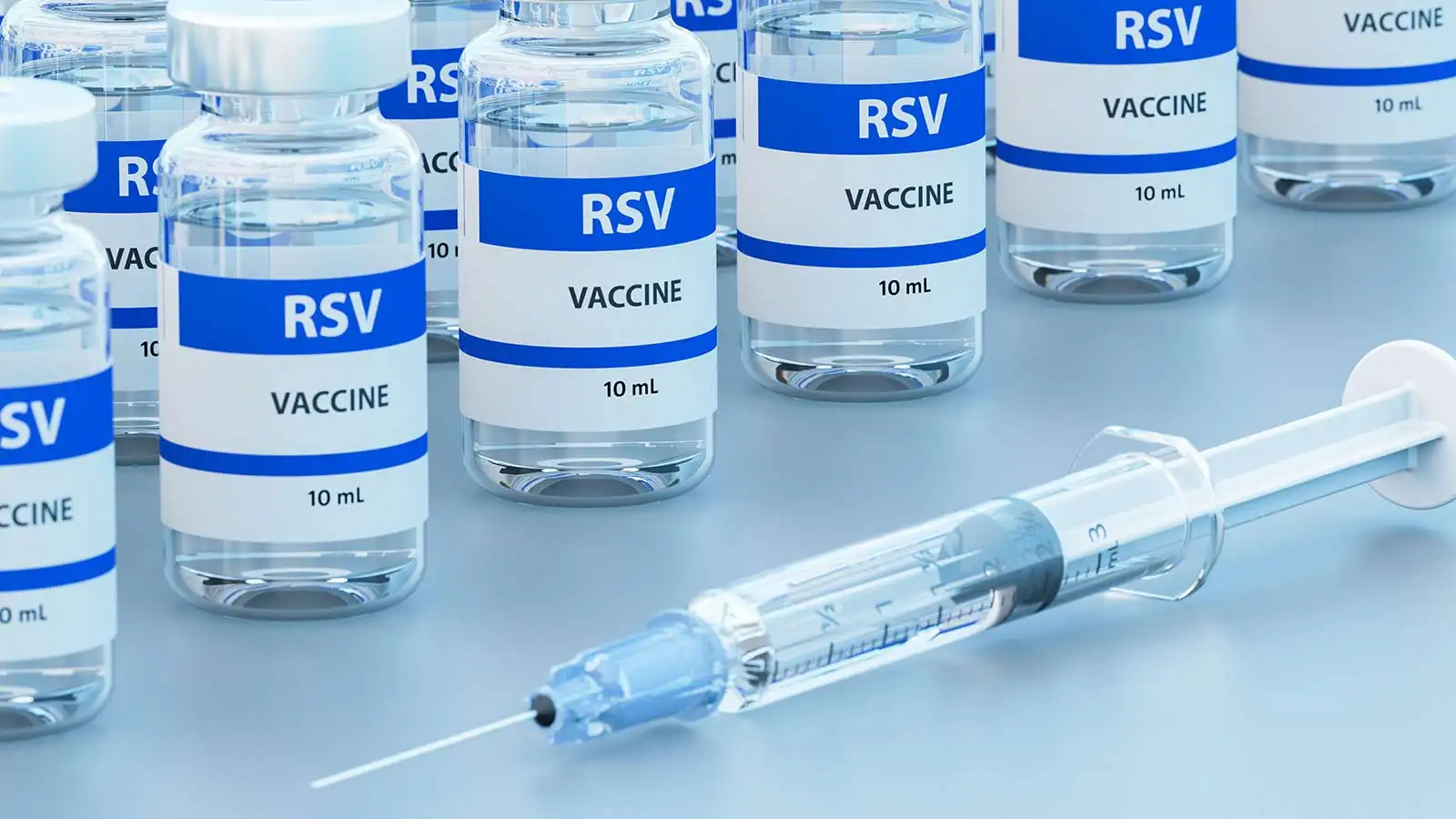
- Vaccines
-
by Skippack Pharmacy
The RSV Vaccine: Who Should Receive It?
RSV is often thought of as an illness that mainly affects babies, but it can also cause serious illness in older adults and people with certain medical conditions. RSV, or respiratory syncytial virus, is a common respiratory virus that usually causes cold-like symptoms. However, it can sometimes lead to more serious problems such as pneumonia or difficulty breathing.
Fortunately, there are now vaccines and other immunizations that can help protect people at greatest risk.
So, who should receive the RSV vaccine?
Adults Age 75 and Older
The CDC recommends one dose of an RSV vaccine for everyone age 75 and older who has not already received one. Older adults have a greater chance of becoming seriously ill or being hospitalized from RSV. Unlike the flu vaccine, the RSV vaccine is not currently given every year. If you have already received an RSV vaccine, the CDC does not currently recommend another dose.
Adults Ages 50–74 at Higher Risk
Adults between ages 50 and 74 should receive an RSV vaccine if they are at increased risk of becoming seriously ill from RSV.
Some conditions that may increase that risk include:
- Chronic heart disease
- Chronic lung conditions such as COPD, emphysema, or asthma
- Certain types of diabetes, especially when complications are present
- Severe kidney disease or dialysis
- Chronic liver disease
- Certain conditions that weaken the immune system
- Severe obesity
- Certain neurologic or muscle conditions that make it harder to breathe or clear mucus
- Living in a nursing home
- Frailty or other health conditions that your healthcare provider believes increase your risk
You do not need to figure out whether you qualify on your own. If you are between 50 and 74 and have ongoing health conditions, ask your pharmacist or healthcare provider whether the RSV vaccine is recommended for you.
What About Healthy Adults Ages 50–74?
The RSV vaccine is not currently recommended for every adult between 50 and 74. For this age group, the CDC recommendation focuses on people with medical conditions or other factors that put them at greater risk of severe RSV illness.
RSV Vaccination During Pregnancy
RSV protection is also important during pregnancy because RSV can be especially serious for young infants. The CDC recommends Pfizer’s Abrysvo RSV vaccine during weeks 32 through 36 of pregnancy, typically between September and January in most of the continental United States.
When the vaccine is given during pregnancy, the mother’s immune system produces antibodies that can pass to the baby before birth. These antibodies help protect the baby during the first months of life, when infants are particularly vulnerable to severe RSV.
An important detail: Abrysvo is currently the RSV vaccine recommended during pregnancy. The other RSV vaccines used for older adults are not recommended for maternal RSV vaccination.
Do Babies Get an RSV Vaccine?
This can be confusing.
For most infants, RSV protection comes from either:
- The mother receiving the RSV vaccine during pregnancy, or
- The baby receives a long-acting RSV antibody after birth.
Most babies do not need both maternal vaccination and an infant RSV antibody. An infant antibody may be recommended when the mother did not receive the RSV vaccine during pregnancy, her vaccination status is unknown, or the baby was born within 14 days after the mother’s vaccination.
Learn more at:
https://www.skippackpharmacy.com/Immunizations/
Written by:
Resources
- Centers for Disease Control and Prevention (CDC) – RSV Vaccine Guidance for Adults
- CDC – RSV Vaccine Guidance for Pregnant Women
- CDC – RSV Immunization Guidance for Infants and Young Children
This article is for educational purposes only and is not a substitute for medical advice. RSV vaccine recommendations may change over time. Talk with a qualified healthcare professional about which vaccines or immunizations are appropriate for you.