- Men's Health
-
by Skippack Pharmacy
What Are Compounded Intimacy Creams?
Sexual health is an important part of overall health, but concerns such as vaginal dryness, discomfort during intimacy, decreased sensation, or difficulty with arousal can sometimes be difficult to talk about.
These concerns are also more common than many people realize. Hormonal changes, menopause, pregnancy, breastfeeding, certain medications, medical conditions, stress, and other factors can all affect sexual comfort and function. For some patients, a healthcare provider may recommend a compounded intimacy cream as one possible treatment option.
But what exactly is an intimacy cream, and how does it work?
What Is a Compounded Intimacy Cream?
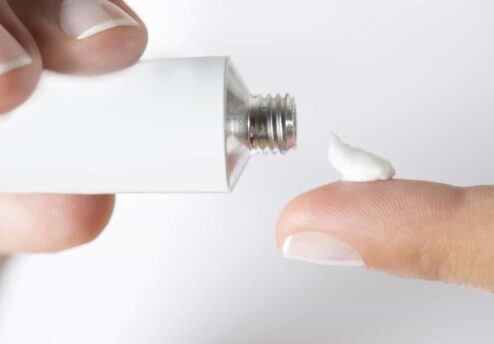
“Intimacy cream” is a general term sometimes used for a prescription cream designed to address a specific sexual-health concern. It is not one specific medication, and there is no single standard formula. Depending on the prescription, a cream may be applied to the vulva—the external genital area—or another specifically directed area. Compounding means a medication is prepared for an individual patient based on a healthcare provider’s prescription. The strength, ingredients, or dosage form may be customized when an available FDA-approved medication does not appropriately meet that patient’s medical needs.
Some compounded preparations may be intended to address concerns such as:
- Vaginal or vulvar dryness
- Discomfort during intimacy
- Changes related to menopause
- Decreased genital sensitivity
- Difficulty with physical arousal
It is important to identify why the problem is occurring before deciding on a treatment. Sexual-health concerns can have hormonal, physical, medication-related, emotional, or relationship-related causes, and different problems may require very different treatments.
What Might Be in an Intimacy Cream?
Hormonal Ingredients
Some preparations may contain hormones when a healthcare provider determines that hormone treatment is appropriate. For example, estrogen plays an important role in maintaining the thickness, elasticity, and natural moisture of vaginal tissue. As estrogen levels decline during perimenopause and menopause, some women develop vaginal dryness, irritation, burning, or pain during sex.
FDA-approved vaginal estrogen creams, tablets, and rings are already available for many patients experiencing these symptoms. Compounded hormone preparations may sometimes be considered when an available product does not appropriately meet a patient’s individual needs. Other hormones may occasionally be prescribed depending on the patient’s condition. However, hormone treatment should be individualized rather than assuming that adding hormones will improve every sexual-health concern.
Non-Hormonal Ingredients
Some compounded topical preparations use medications intended to affect local blood flow or sensation.
One example being studied is topical sildenafil, the medication best known as the active ingredient in Viagra. Sildenafil affects blood vessels and has been researched as a topical treatment for female sexual arousal disorder. A 2024 randomized clinical trial studied sildenafil cream in premenopausal women with female sexual arousal disorder. The study did not find a statistically significant improvement in its main outcomes across the full study population, although an exploratory subgroup showed possible improvements in arousal and other measures. More research is needed to determine which patients, if any, are most likely to benefit.
This is a good example of why patients should be cautious about claims that an “intimacy cream” is guaranteed to increase arousal, sensitivity, or orgasm. Evidence varies depending on the ingredient and the condition being treated.
Intimacy Creams Are Not the Same as Lubricants
A compounded intimacy cream should not be confused with an over-the-counter lubricant or vaginal moisturizer. Lubricants temporarily reduce friction during sexual activity. Vaginal moisturizers are generally used regularly to help maintain moisture in vaginal tissues. Prescription creams contain active medications intended to treat a specific medical concern.
For uncomplicated vaginal dryness, lubricants and moisturizers may be a reasonable first option. If dryness or painful sex continues, a healthcare provider can evaluate whether another treatment, such as vaginal estrogen or a different prescription therapy, may be appropriate.
Who Might Benefit From Discussing These Options?
It may be worth speaking with a healthcare provider if you are experiencing:
- Persistent vaginal dryness
- Burning or irritation
- Pain during sexual activity
- Changes in sensation or physical arousal
- Sexual-health changes after menopause
- Symptoms that began after starting a medication
- Sexual-health concerns that are affecting your quality of life
These symptoms are common, but that does not mean you simply have to live with them. They can have many possible causes, including hormonal changes, medications, vaginal dryness, pelvic floor problems, certain medical conditions, and other factors. A healthcare provider can help identify the cause and determine which treatment options make the most sense.
Written by:
Resources
- U.S. Food & Drug Administration (FDA) – Compounding and the FDA: Questions and Answers
- American College of Obstetricians and Gynecologists (ACOG) – Your Sexual Health
- The Menopause Society – Menopause Symptoms and Genitourinary Syndrome of Menopause (GSM)
This article is for educational purposes only and is not a substitute for medical advice. Compounded medications are not FDA-approved. Treatment decisions should be made with a qualified healthcare professional based on each patient’s symptoms, medical history, medications, and individual needs.