BODY IQ | METABOLIC HEALTH TRACKING
Understand More Than the Number on the Scale
Body IQ brings together InBody body composition analysis, Stelo glucose tracking, and A1C testing at Skippack Pharmacy to help you better understand patterns in your body over time.
Whether you’re focused on weight management, fitness, nutrition, or simply learning more about your health, Body IQ can give you a clearer look at body composition and glucose trends—so you have more information to guide conversations and decisions about your health.
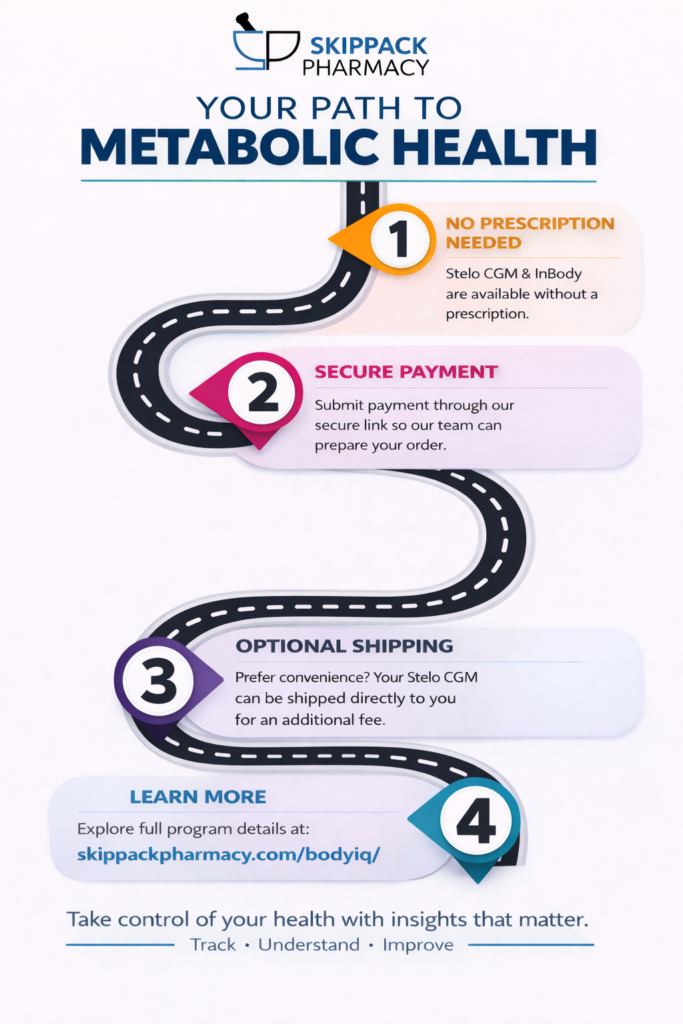
No prescription is required for an InBody scan or A1C test. Stelo is available over the counter for eligible users. Individual results are intended for informational and wellness purposes and should not replace medical advice.
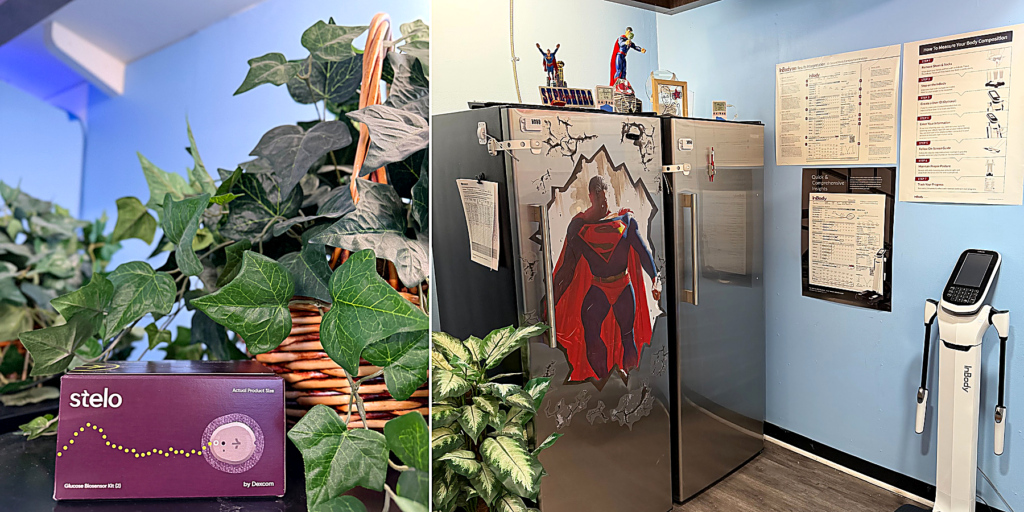
Three Tools. One Clearer Picture.
A bathroom scale tells you how much you weigh. Body IQ is designed to help you understand more about what may be changing underneath that number.
InBody Body Composition Analysis
Go Beyond Body Weight
An InBody scan uses bioelectrical impedance analysis to estimate different components of your body composition, including skeletal muscle, body fat, and body water.
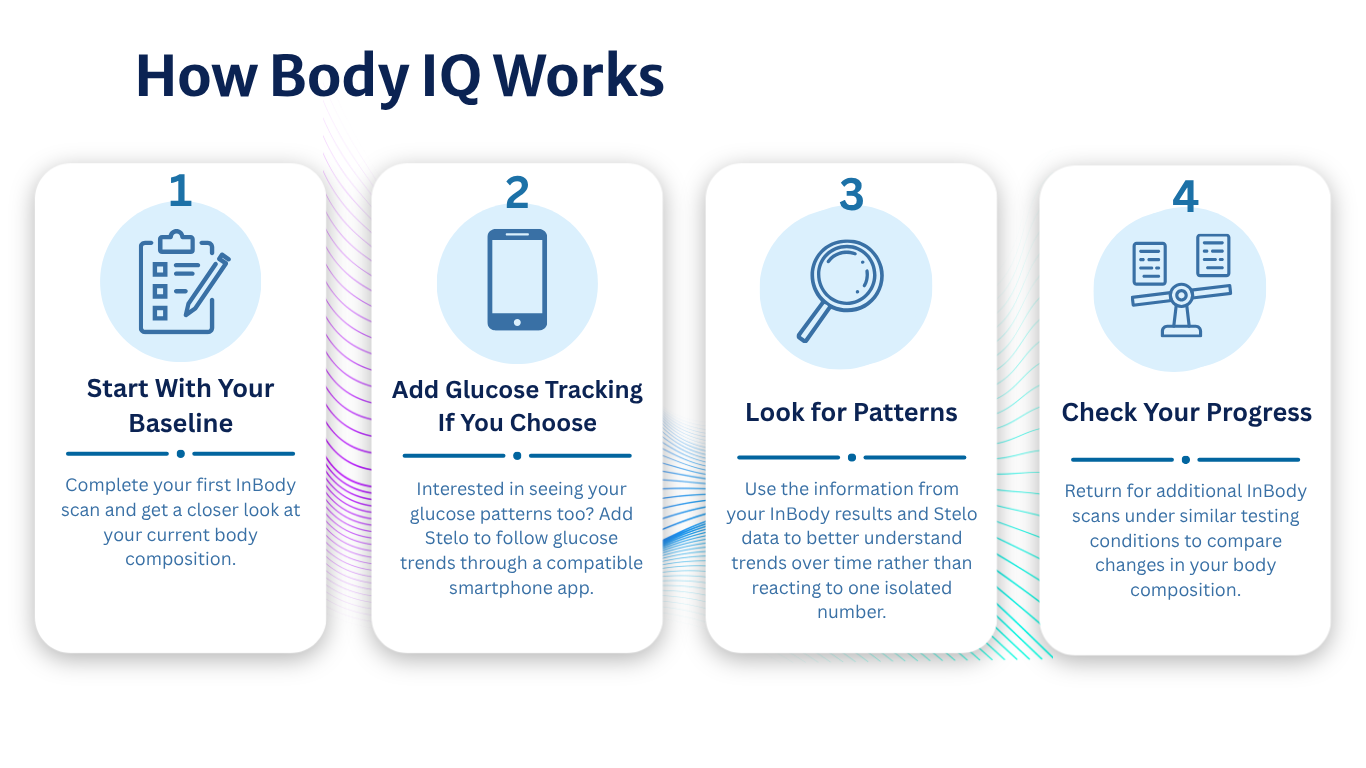
Repeating your scans under similar conditions can help you follow changes and trends over time—not just changes in total body weight.
Your first InBody scan at Skippack Pharmacy is FREE.
A1C Testing
See the Bigger Picture of Your Blood Sugar
Your blood sugar can change throughout the day. An A1C test gives you a longer-term view by estimating your average blood sugar over approximately the past 2–3 months.
Testing is performed at Skippack Pharmacy using a small fingerstick, and fasting is not required.
After your test is processed, we will send you easy-to-understand follow-up information that includes:
- Your A1C result
- National A1C reference ranges
- An explanation of what A1C measures
- Simple tips to support healthy blood sugar
- Guidance to share your result with your healthcare provider
A1C gives you one more piece of information to help you better understand your metabolic health.
Your first A1C test at Skippack Pharmacy is FREE.
Stelo Glucose Biosensor
See Your Glucose Patterns Throughout the Day
While A1C provides a longer-term view, Stelo can help you see how your glucose changes throughout the day
Stelo is an over-the-counter wearable glucose biosensor that connects to a compatible smartphone and helps you see glucose trends throughout the day.
Seeing these patterns may help you better understand how everyday factors such as food, activity, sleep, and stress relate to your glucose.
What Can You Learn With Body IQ?
Instead of focusing on a single number, Body IQ gives you three different ways to learn more about your health.
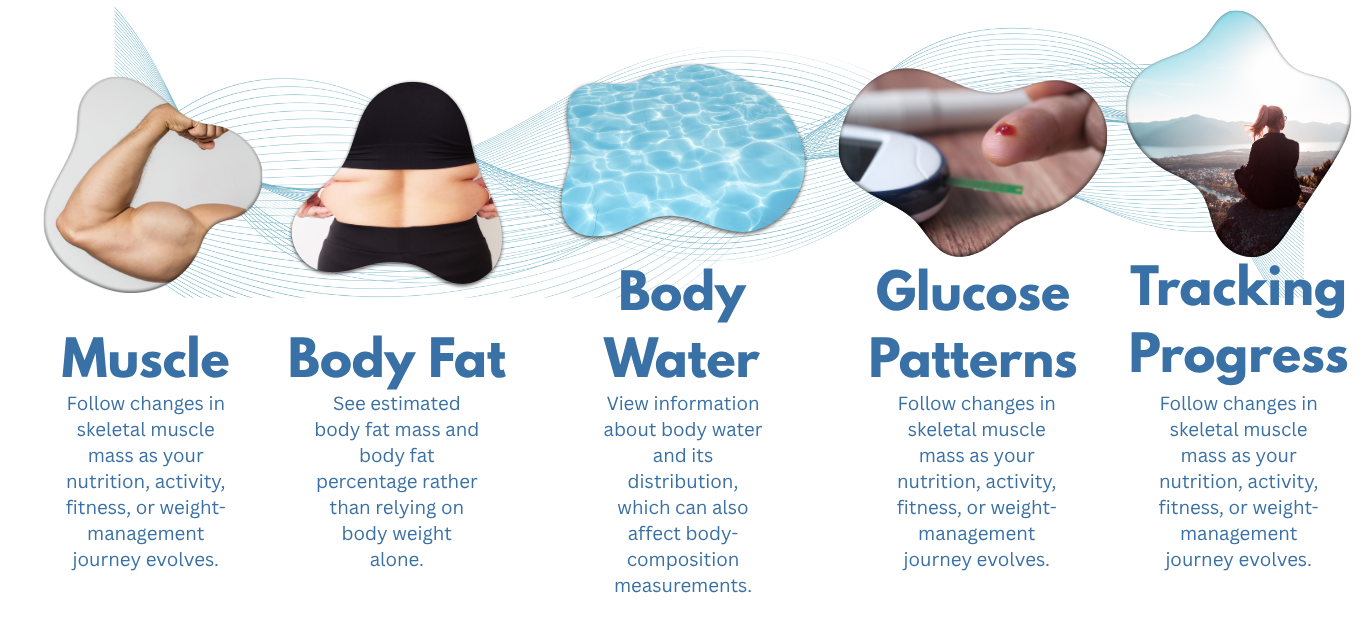
Your First InBody Scan Is On Us
Curious about your body composition? Start with a FREE first InBody scan at Skippack Pharmacy. No purchase is required.
The scan is quick and non-invasive and provides a detailed results report that you can use as a baseline for tracking future changes.
Sign Up for My Free InBody Scan
For more consistent comparisons, repeat InBody scans under similar conditions whenever possible.
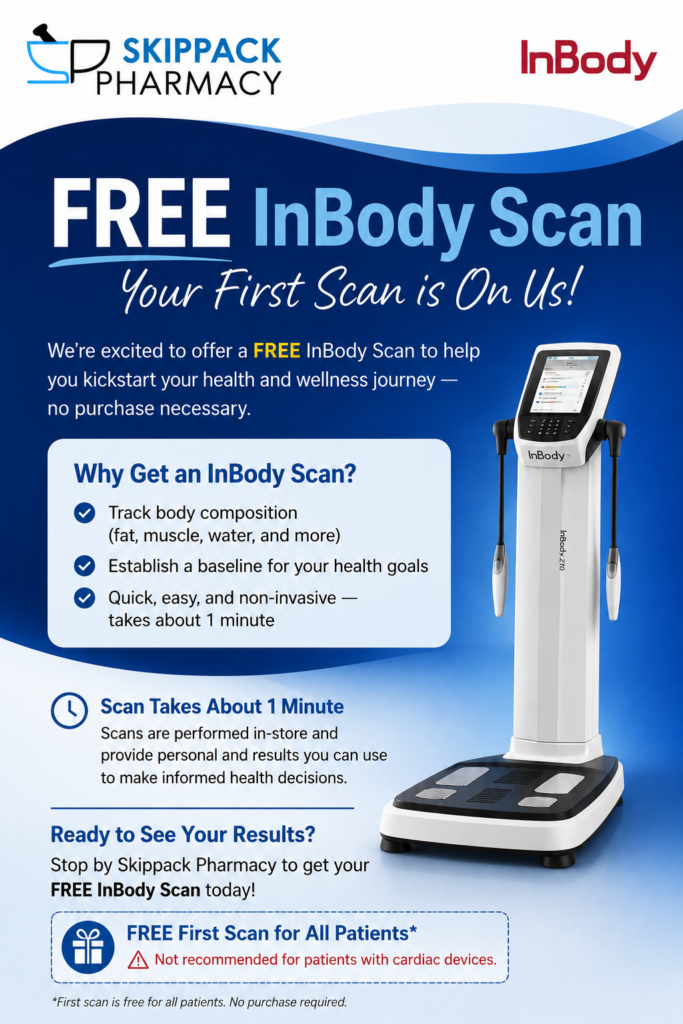
Body IQ Can Fit Many Different Health Goals
You do not need to be a weight-loss patient or an existing Skippack Pharmacy patient to participate.
Body IQ may be useful for people who are interested in:
- Weight-management progress
- Preserving or building muscle
- Fitness and strength goals
- Better understanding body composition
- Learning about personal glucose patterns
- Understanding longer-term blood sugar trends
- Establishing an A1C baseline
- Nutrition and lifestyle awareness
- Following changes while using a GLP-1 medication
- Establishing a baseline and tracking changes over time
- Bringing more information to conversations with their healthcare provider
See Body IQ in Action
Not sure what to expect? Watch our Skippack Pharmacy team walk you through the technology and show you what the experience looks like.
Before Your InBody Scan
For the most useful comparisons over time, consistency matters. Try to complete future scans under conditions similar to your first scan.
Before testing, follow the preparation instructions provided by our team, including guidance related to meals, hydration, exercise, clothing, shoes, and accessories.
Questions before your scan? Text us at 267-766-0076 or email clinic@skippackpharmacy.com.
Frequently Asked Questions
What is Body IQ?
Body IQ is Skippack Pharmacy’s metabolic health tracking program that brings together InBody body composition analysis, Stelo glucose tracking, and A1C testing.
Each tool provides a different piece of information to help you better understand trends in your body and metabolic health over time.
Do I need to be a Skippack Pharmacy patient?
No. Body IQ is available to people who are interested in learning more about their body composition or glucose patterns. You do not need to fill your prescriptions at Skippack Pharmacy to participate.
Is my first InBody scan really free?
Yes. Your first InBody scan at Skippack Pharmacy is currently free, with no additional purchase required.
What does an InBody scan measure?
An InBody scan provides estimates of body-composition measurements such as skeletal muscle mass, body fat mass, body fat percentage, and body water. Your results provide additional context that a traditional scale cannot provide on its own.
How long does an InBody scan take?
The actual measurement is very quick. Allow a few additional minutes for preparation and for our team to help you review your results.
How often should I repeat an InBody scan?
If you’re tracking changes over time, consistency is more important than scanning frequently. Repeating your scan under similar conditions helps make comparisons more meaningful. Our team can help you determine an appropriate schedule for your goals.
What is Stelo?
Stelo is an over-the-counter wearable glucose biosensor from Dexcom. It continuously measures glucose in interstitial fluid and sends glucose information to a compatible smartphone app so users can observe patterns and trends.
Do I need a prescription for Stelo?
No. Stelo is available over the counter. Eligibility and appropriate use should follow the current device labeling.
How long can I wear a Stelo biosensor?
A Stelo biosensor can be worn for up to 15 days before it is replaced.
Can Stelo tell me how food affects my glucose?
Stelo can help you observe glucose patterns throughout the day. Looking at those patterns alongside meals, activity, sleep, stress, and other behaviors may help you better understand how your routine relates to your glucose response.
Should I change my medication based on Stelo readings?
No. Do not make medication changes or other medical decisions based solely on Stelo readings. Speak with an appropriate healthcare professional before making medical or medication changes.
Who should not use Stelo?
Stelo is intended for adults 18 years and older who are not using insulin. It should not be used by people with problematic hypoglycemia or people on dialysis.
Additional warnings and limitations may apply, so review the current manufacturer instructions and speak with your healthcare professional if you’re unsure whether Stelo is appropriate for you.
Can I use Body IQ if I'm taking a GLP-1 medication?
Yes. Patients using GLP-1 medications may choose to use InBody scans to follow body-composition trends and may use Stelo when appropriate to better understand glucose patterns. These tools are for monitoring and education and do not replace medical evaluation or treatment decisions.
What is an A1C test?
A1C, also called hemoglobin A1C or HbA1c, is a blood test that provides an estimate of your average blood sugar over approximately the past 2–3 months.
Unlike a single glucose reading, which shows your blood sugar at one moment in time, A1C provides a longer-term view.
Do I need to fast before an A1C test?
No. Fasting is not required for an A1C test.
How is the A1C test performed?
A team member performs a small fingerstick and collects the sample needed for the A1C test. The process is quick and can be completed right at Skippack Pharmacy.
How will I receive my A1C result?
After your test is processed, Skippack Pharmacy will send you follow-up information with your individual result, national A1C reference ranges, an explanation of what the number means, and simple tips for supporting healthy blood sugar.
We encourage you to save your result and share it with your physician or other healthcare provider.
What do the A1C ranges mean?
Nationally recognized reference ranges for nonpregnant adults include:
- Below 5.7%: Normal range
- 5.7%–6.4%: Prediabetes range
- 6.5% or higher: Diabetes range
These ranges provide context for understanding an A1C result. Your Skippack Pharmacy point-of-care result should not be used by itself to diagnose diabetes or make medication changes. Please share your result with your healthcare provider, who can determine whether additional or confirmatory testing is appropriate.
Is A1C the same thing as Stelo?
No. They provide different types of information.
A1C gives you a bigger-picture estimate of your average blood sugar over approximately the past 2–3 months.
Stelo provides glucose readings throughout the day so you can observe daily patterns and trends.
Some people may find value in using both because they answer different questions about glucose.
Can I use A1C testing if I am taking a GLP-1 medication?
A1C testing may provide useful information about longer-term blood sugar trends for some people using GLP-1 medications.
However, do not change your medication or dose based solely on a pharmacy A1C result. Medication decisions should be made with your prescribing healthcare provider.
Want a Deeper Dive?
Interested in learning more about how Stelo and InBody work, what the measurements mean, and how to think about your results over time?
Important Information
Body IQ is intended to provide educational and wellness information and is not a substitute for medical diagnosis, treatment, or advice from a qualified healthcare professional.
A1C: Your Skippack Pharmacy point-of-care A1C result is intended to provide additional health information and should not be used by itself to diagnose diabetes or make medication changes. Share your result with your healthcare provider, particularly if it is outside of the normal reference range or differs significantly from previous results.
Stelo: Stelo should be used according to its current manufacturer labeling. Do not make medication changes or take medical action based solely on Stelo data without consulting an appropriate healthcare professional.
InBody: InBody testing uses bioelectrical impedance. If you have an implanted electronic medical device or another medical condition that may affect whether InBody testing is appropriate for you, speak with your healthcare professional and our pharmacy team before testing.