- Pet/Vet
-
by Skippack Pharmacy
What is dry eye (Keratoconjunctivitis sicca)?
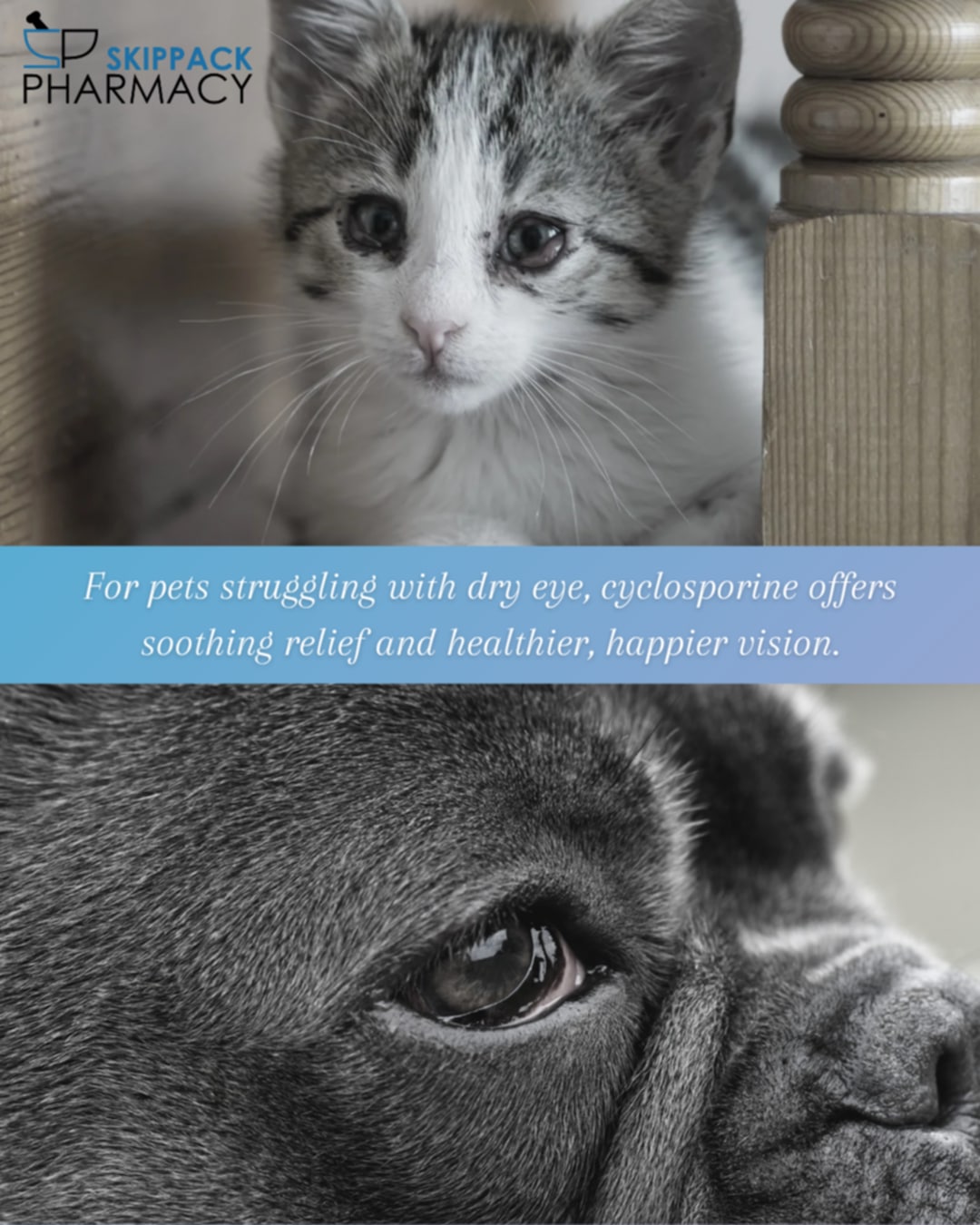
Keratoconjunctivitis sicca (KCS), commonly known as dry eye, is a condition where a pet’s eyes do not produce enough natural tears to keep the surface of the eye lubricated. Tears are essential for washing away debris, protecting against infection, and maintaining overall eye health. When tear production is reduced, pets may experience irritation, inflammation, excessive blinking, or thick, mucus-like discharge. Over time, dry eye can lead to corneal ulcers, pigmentation, and even vision loss if left untreated.
Why Does KCS happen?
KCS is most often caused by immune-mediated destruction of the tear glands, where the body’s own immune system mistakenly attacks the cells that produce tears. Other causes may include certain medications, infections, or breed predispositions—especially in dogs like Cocker Spaniels, Bulldogs, Shih Tzus, and Westies. Identifying and treating KCS early is critical to preventing permanent damage and maintaining a pet’s quality of life.
How Cyclosporine drops help
Cyclosporine is an immunosuppressive medication that works by calming the overactive immune response responsible for destroying tear-producing glands. When applied as an eye drop, Cyclosporine helps restore tear production and reduces inflammation in the eye. It doesn’t just relieve symptoms—it addresses the underlying immune cause of KCS, making it one of the most effective long-term treatments for dry eye in pets.
Understanding Feline Herpesvirus (FHV-1)
Feline herpesvirus type 1 (FHV-1) is a common viral infection in cats that often leads to upper respiratory symptoms and ocular disease. Many cats are exposed to FHV-1 as kittens, and once infected, the virus remains in their system for life. While it may stay dormant for long periods, stress, illness, or immune suppression can trigger flare-ups. One of the most frustrating symptoms of these recurrences is viral conjunctivitis or keratitis—inflammation of the eye’s surface that can cause redness, squinting, discharge, and pain.
The Role of Antiviral Therapy in Ocular FHV-1
Since FHV-1 is a virus, antibiotics won’t help unless there’s a secondary bacterial infection. That’s where antiviral therapy comes in. While there are several treatment options available, many require frequent dosing or are not well-tolerated by all cats. Cidofovir has emerged as an effective and convenient topical antiviral specifically for treating the eye-related complications of FHV-1.
What Is Cidofovir?
Cidofovir is a broad-spectrum antiviral medication originally developed for human use, but it has shown excellent efficacy in veterinary medicine, particularly in treating FHV-1 in cats. When used as an ophthalmic solution, cidofovir interferes with viral DNA replication, helping to reduce viral load in the eyes and speed up healing. Importantly, cidofovir is well-suited for cats because it typically only needs to be applied twice a day, making it far easier for pet parents to administer consistently.
Benefits of Compounded Cidofovir Eye Drops
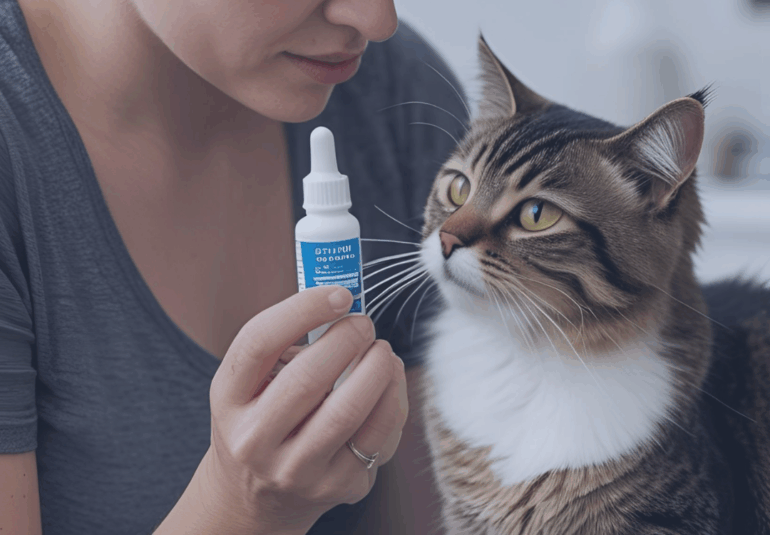
At Skippack Pharmacy, we offer Cidofovir 0.5% in Artificial Tears, a sterile compounded ophthalmic solution specially prepared for feline patients. The use of artificial tears as the base helps soothe and hydrate the eyes while delivering the antiviral medication. Compounding allows us to prepare cidofovir at an appropriate concentration in a gentle, preservative-free vehicle that’s better tolerated by sensitive feline eyes.
Why Cidofovir?
Cidofovir eye drops provide an effective and manageable treatment option for cats suffering from herpesvirus-related eye infections. If your cat experiences recurring conjunctivitis or keratitis caused by FHV-1, talk to your veterinarian about whether cidofovir could help reduce flare-ups and improve your cat’s comfort and eye health. At Skippack Pharmacy, we’re here to support you and your feline companion with customized, sterile treatments that make a difference.
The information contained in this article is intended for educational and promotional purposes only. It is not intended as specific medical advice. Call us or visit us in person and speak with a pharmacist for specific medication queries and consult with your physician or provider for your specific medical condition or health goals.